
by wf_admin | Apr 4, 2023 | Blogs
When discussing gut health, the terms “prebiotics” and “probiotics” are often used interchangeably. However, it is important to note that these two types of dietary supplements are distinct from each other.
Probiotics are microorganisms that are live and can provide health benefits when taken in adequate amounts. They are commonly known as “good bacteria” since they help maintain a healthy balance of microorganisms in the gut. Probiotics can be obtained naturally from foods like fermented vegetables, yogurt, and kefir or from supplements. There are several strains of probiotics, each with their unique properties and health benefits.
Lactobacillus acidophilus is a commonly found probiotic strain in the gut that can alleviate symptoms of irritable bowel syndrome (IBS) and inflammatory bowel disease (IBD). Bifidobacterium bifidum is a strain often found in breast milk that can enhance immune function and relieve diarrhea. Saccharomyces boulardii, a type of yeast, is effective in reducing the risk of antibiotic-associated diarrhea and other digestive problems. It is important to note that not all probiotics have the same effects on the body, and choosing a supplement with a well-researched strain specific to your health concern is crucial.
On the other hand, prebiotics are non-digestible fibers that serve as a food source for probiotics and other beneficial bacteria in the gut. They are naturally present in various foods such as fruits, vegetables, legumes, and whole grains. Inulin, a prebiotic fiber, is found naturally in chicory root, garlic, and onions, and promotes the growth of beneficial bacteria in the gut while improving digestive health. Fructooligosaccharides (FOS), another prebiotic fiber, is present in many fruits and vegetables, including asparagus, bananas, and leeks, and enhances gut health by promoting the growth of beneficial bacteria. Galactooligosaccharides (GOS), a prebiotic fiber found in human breast milk, particularly benefits infants by promoting the growth of beneficial bacteria in the gut.
Both prebiotics and probiotics offer several health benefits, primarily for gut health. Probiotics have been found to be effective in reducing symptoms of digestive problems, such as bloating, gas, and diarrhea, and boosting immune function. Similarly, prebiotics promote the growth of beneficial bacteria in the gut while enhancing digestive health. While both can be obtained through supplements, prebiotics are commonly found in dietary sources and can be obtained more cost-effectively.
by wf_admin | Mar 30, 2023 | Blogs
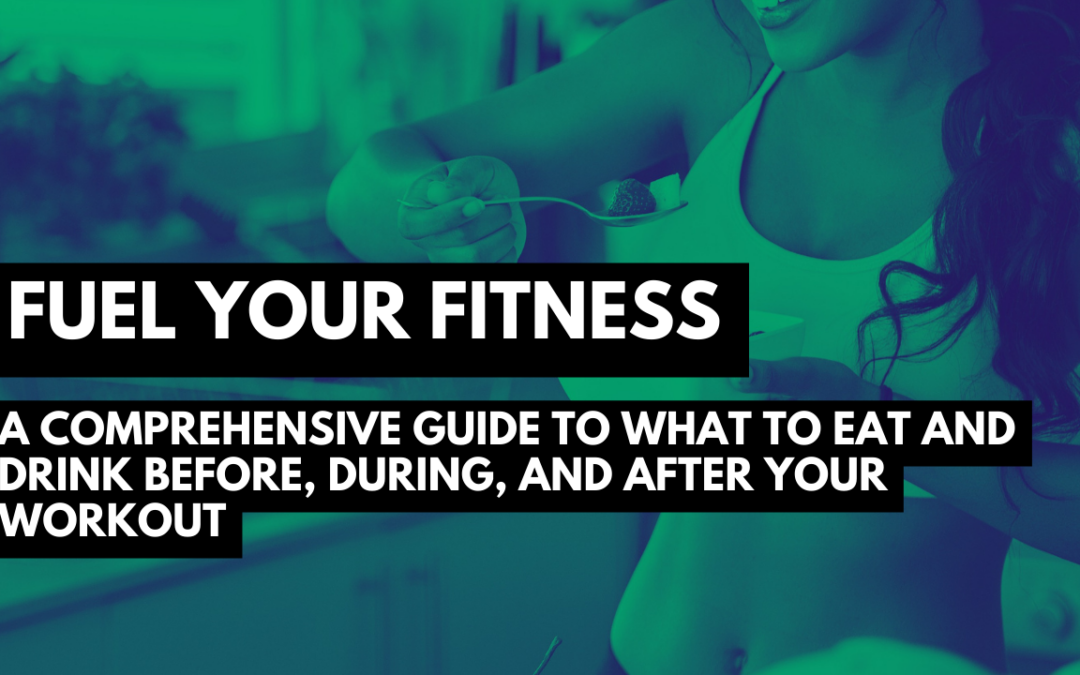
When it comes to the topic of what to consume before, during, and after a workout, the complexity of the matter can leave fitness enthusiasts perplexed. However, the importance of proper nutrition cannot be overstated. To achieve optimal performance during exercise, as well as recovery and growth afterward, it is vital to consume the right nutrients. In this comprehensive piece, we will provide a detailed understanding of what to eat and drink before, during, and after a workout.
Prior to a workout, the timing and composition of your meal can have a significant impact on your performance. The recommendation is to consume a meal 1-3 hours before your workout, allowing ample time for your body to digest the food and convert it into energy. A pre-workout meal should be made up of complex carbohydrates, lean proteins, and healthy fats. These nutrients provide a steady supply of energy, aid in muscle development and repair, and promote hormone function. Examples of great pre-workout meal options include oatmeal with berries and almond butter, brown rice with grilled chicken and avocado, or a smoothie with spinach, banana, and almond milk.
During a workout, your body requires a consistent supply of energy to maintain performance levels and avoid exhaustion. If your workout lasts less than an hour, drinking water is sufficient to keep you hydrated. However, if your workout lasts longer than an hour, you may need to replenish your body with carbohydrates and electrolytes. Sports drinks, gels, and chews are excellent options for during-workout nutrition. These provide a quick source of energy and replenish electrolytes lost through sweat. However, it is crucial to choose a product that is easily digestible and does not cause gastrointestinal distress.
After a workout, proper nutrition is crucial to repair muscle tissue, replenish energy stores, decrease muscle soreness, promote recovery, and support growth. The optimal time for nutrient absorption and muscle recovery is within 30 minutes of completing your workout. A post-workout meal should contain both protein and carbohydrates. Protein aids in muscle tissue repair, while carbohydrates replenish energy stores and support recovery. Some great post-workout meal options include a chicken breast with sweet potato and steamed broccoli, a quinoa bowl with roasted vegetables and grilled salmon, or a smoothie with Greek yogurt, mixed berries, and spinach.
In conclusion, by following these guidelines, you can maximize your workouts and achieve your fitness goals. Proper nutrition is essential for optimal performance during exercise, as well as recovery and growth afterward. Remember to consume a pre-workout meal consisting of complex carbohydrates, lean proteins, and healthy fats, stay hydrated during your workout with water or a sports drink, and consume a post-workout meal containing both protein and carbohydrates to support muscle tissue repair and replenish energy stores.
by wf_admin | Mar 23, 2023 | Blogs
As fitness enthusiasts, we all know how important post-workout nutrition is for optimal recovery and muscle growth. But with so much conflicting information out there, it can be tough to know what to eat after a workout. In this ultimate guide to post-workout nutrition, we’ll cover everything you need to know to fuel your body for optimal recovery and performance.
Why is Post-Workout Nutrition Important?
Post-workout nutrition is essential for repairing and rebuilding muscle tissue that is damaged during exercise. When you exercise, you deplete your body’s glycogen stores and cause microscopic tears in your muscle fibers. Proper post-workout nutrition helps to replenish glycogen stores, repair muscle tissue, and prevent muscle breakdown.
What to Eat After a Workout?
Protein:
Protein is essential for repairing and rebuilding muscle tissue that is damaged during exercise. After a workout, the body requires a good amount of protein to initiate the process of muscle repair and growth. When we exercise, our muscle fibers undergo a process of breakdown which results in the development of tiny tears in the muscle tissue. Post-workout nutrition containing protein helps to repair these tears and stimulate muscle growth.
Aim to consume around 20-30 grams of protein after a workout. This amount is adequate to supply the body with the necessary nutrients to recover and repair the muscle fibers. There are numerous sources of protein that you can choose from. Some of the most common sources include chicken, fish, eggs, tofu, and protein powders.
If you prefer to consume your protein in the form of whole foods, options like chicken and fish are excellent sources. Chicken breast is one of the leanest and most popular sources of protein, containing around 26 grams of protein per 100 grams. Fish, especially salmon and tuna, are also rich in protein and omega-3 fatty acids that help reduce inflammation and promote recovery.
Eggs are another excellent source of protein, with a single large egg containing around 6 grams of protein. Eggs are also rich in essential amino acids that are required for muscle growth and repair. Tofu is a popular vegetarian option that contains around 20 grams of protein per 100 grams. It is also a great source of iron, calcium, and other essential nutrients.
If you prefer to consume your protein in the form of supplements, there are a variety of protein powders available on the market. Whey protein is one of the most popular and easily digestible protein powders. It contains all the essential amino acids required for muscle growth and repair. Other popular protein powders include casein, soy, and pea protein powders.
Carbohydrates:
Carbohydrates are one of the most important nutrients to consume after a workout. When we exercise, our body depletes its glycogen stores, which are the primary source of energy during physical activity. Consuming carbohydrates post-workout helps to replenish these glycogen stores, which provide energy for your next workout.
To determine how many carbohydrates you should consume post-workout, aim for 1-1.5 grams of carbohydrates per kilogram of body weight. For example, if you weigh 70 kilograms, aim for 70-105 grams of carbohydrates after your workout. This will vary depending on the intensity and duration of your workout, as well as your overall fitness goals.
Good sources of carbohydrates to consume after a workout include fruits, vegetables, whole grains, and sports drinks. Fruits like bananas and apples are excellent sources of natural sugars that can help replenish glycogen stores. Vegetables like sweet potatoes, beets, and corn are also rich in carbohydrates and other essential nutrients like vitamins and minerals.
Whole grains like brown rice, quinoa, and whole grain bread are also great sources of carbohydrates. These complex carbohydrates provide a sustained source of energy and help to stabilize blood sugar levels. Sports drinks are also an excellent source of carbohydrates as they contain a mixture of simple and complex carbohydrates, as well as electrolytes that help to rehydrate the body.
It is important to note that the timing of carbohydrate consumption is also crucial for optimal recovery. Consuming carbohydrates immediately after a workout can help to replenish glycogen stores more quickly than waiting several hours after exercise. Aim to consume carbohydrates within 30 minutes to an hour after your workout for optimal recovery.
Fats:
While protein and carbohydrates are crucial for post-workout recovery, fats should also be included in your post-workout meal. Although fats are not essential immediately after a workout, they are still important for overall health and can contribute to optimal recovery.
Healthy fat sources that you can include in your post-workout meal include avocados, nuts, seeds, and olive oil. Avocados are a great source of healthy monounsaturated fats, which can help reduce inflammation and improve heart health. They also contain fiber, potassium, and other essential vitamins and minerals.
Nuts and seeds, such as almonds, walnuts, chia seeds, and flaxseeds, are also excellent sources of healthy fats. They are also rich in other nutrients like protein, fiber, and vitamins and minerals like magnesium and vitamin E. These healthy fats can help reduce inflammation and improve heart health, among other benefits.
Olive oil is another great source of healthy fats that can be included in your post-workout meal. It contains monounsaturated fats, which can help reduce inflammation and improve heart health. It is also rich in antioxidants that can help protect against cellular damage.
It is important to note that the amount of fat you should consume after a workout depends on your overall fitness goals and dietary needs. While fats should be included in your post-workout meal, it is important to consume them in moderation as they are high in calories. Aim for around 10-15 grams of healthy fats in your post-workout meal.
Hydration:
Hydration is a crucial component of post-workout nutrition. During exercise, the body loses fluids through sweat, which can lead to dehydration. Proper hydration after a workout can help replenish fluids lost during exercise and improve recovery.
It is recommended to drink at least 16-20 ounces of water or sports drink after your workout. This amount can vary depending on the intensity and duration of your workout, as well as your overall fitness goals. If you exercise in hot and humid conditions, you may need to consume more fluids to avoid dehydration.
Sports drinks can be a good option for post-workout hydration as they contain electrolytes that help to rehydrate the body. Electrolytes like sodium, potassium, and magnesium are lost through sweat during exercise and need to be replenished to maintain optimal body function. Sports drinks can also contain carbohydrates that help to replenish glycogen stores.
It is important to note that other beverages like coffee, tea, and alcohol can dehydrate the body and should be avoided or consumed in moderation after a workout. Water and sports drinks are the best options for post-workout hydration.
In addition to consuming fluids, you can also hydrate the body through the foods you eat. Fruits and vegetables with high water content, like watermelon, cucumber, and strawberries, can help to hydrate the body and provide essential nutrients.
Timing:
Timing is a crucial aspect of post-workout nutrition. It’s important to eat a meal or snack within 30 minutes to an hour after your workout to optimize recovery. This is the ideal time when your muscles are most receptive to absorbing nutrients that aid in recovery.
If you delay consuming a meal or snack after your workout, it can slow down the recovery process and delay muscle repair. Consuming a meal or snack promptly after a workout provides the body with the necessary nutrients to repair and rebuild muscles.
If you are unable to consume a full meal within the recommended time frame, a protein shake or snack can help bridge the gap until your next meal. Protein shakes are an excellent option for those who have difficulty consuming solid foods immediately after a workout. They are convenient, easy to prepare, and can provide the necessary protein for muscle repair and growth.
When selecting a protein shake or snack, it is important to choose one that contains high-quality protein sources such as whey or casein. It’s also important to check the ingredient list for added sugars or artificial sweeteners, which can detract from the overall nutritional value of the shake.
In addition to protein, it’s also important to consume carbohydrates after a workout to replenish glycogen stores. Consuming a meal or snack with a good balance of protein and carbohydrates can help to optimize recovery and improve performance in future workouts.
Sample Post-Workout Meal Ideas
Here are some sample post-workout meals to help you get started:
- Grilled chicken breast with roasted sweet potatoes and a side salad
- Oatmeal with almond butter and sliced banana
- Tuna salad with whole grain crackers and sliced cucumbers
- Protein shake made with whey protein, frozen berries, and almond milk
- Quinoa salad with grilled veggies and chickpeas
Supplements for Post-Workout Recovery
While whole foods should always be your first choice, supplements can be a convenient and effective way to support post-workout recovery. Here are some supplements to consider:
- Whey protein: Whey protein is a fast-digesting protein that is easily absorbed by the body. It’s a convenient way to get the protein you need after a workout.
- Creatine: Creatine can help increase strength and muscle mass. It’s best taken post-workout to help replenish depleted creatine stores.
- BCAAs: Branched-chain amino acids (BCAAs) can help reduce muscle soreness and promote muscle growth.
- Beta-alanine: Beta-alanine can help reduce fatigue and improve endurance.
Proper post-workout nutrition is essential for optimal recovery and muscle growth. By incorporating protein, carbohydrates, healthy fats, and hydration into your post-workout meal, you can help repair and rebuild muscle tissue, replenish glycogen stores, and prevent muscle breakdown. And by incorporating supplements like whey protein, creatine, BCAAs, and beta-alanine, you can further support your post-workout recovery. Follow these guidelines, and you’ll be well on your way to achieving your fitness goals.
by wf_admin | Mar 16, 2023 | Blogs
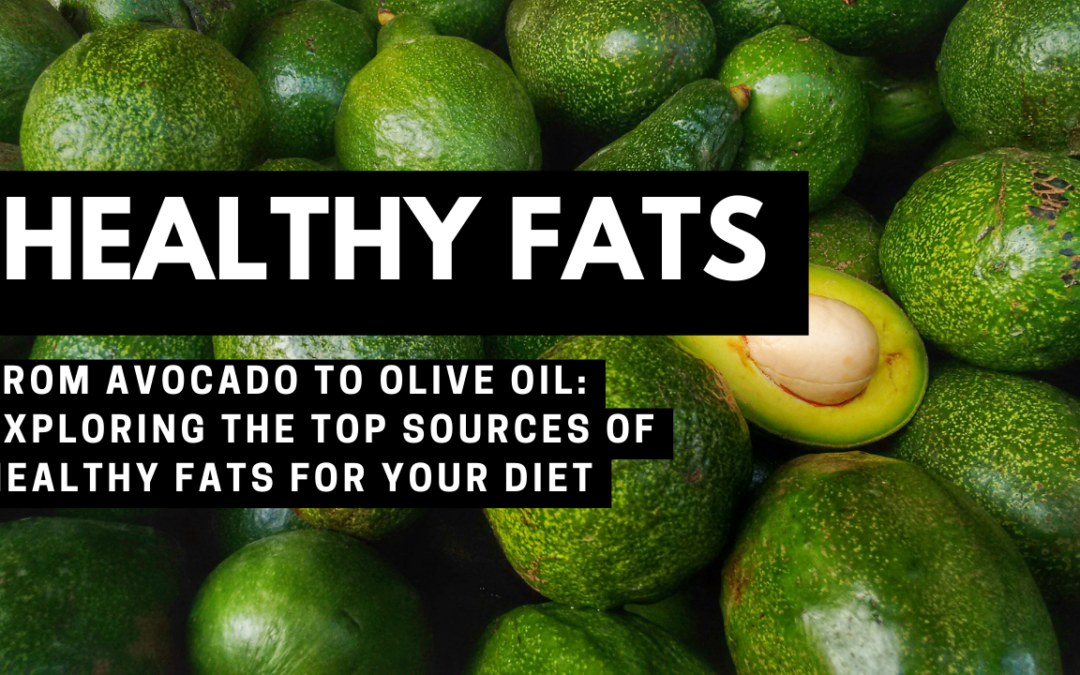
Healthy fats are an essential component of a balanced diet. While it’s common to associate the word “fat” with negative connotations, not all fats are created equal. In fact, some fats are beneficial for your health and can improve your overall well-being. In this article, we’ll explain what healthy fats are and recommend four healthy fats to eat each week.
What are Healthy Fats?
Healthy fats are a type of fat that provides numerous benefits to your body. Unlike unhealthy fats, which are linked to heart disease, obesity, and other health problems, healthy fats can help reduce your risk of these conditions. There are several types of healthy fats, including monounsaturated fats, polyunsaturated fats, and omega-3 fatty acids.
Monounsaturated fats are found in foods such as avocados, nuts, and olive oil. These fats are known to reduce bad cholesterol levels, lower blood pressure, and decrease inflammation.
Polyunsaturated fats are found in foods such as seeds, nuts, and fatty fish. These fats contain essential fatty acids that your body can’t produce on its own. Consuming polyunsaturated fats can help reduce your risk of heart disease, lower blood pressure, and improve brain function.
Omega-3 fatty acids are a type of polyunsaturated fat that is found in fatty fish such as salmon, mackerel, and sardines. Omega-3 fatty acids have been shown to reduce inflammation, improve brain function, and reduce the risk of heart disease.
Four Healthy Fats to Eat Each Week
- Avocado: Avocado is a superfood that is packed with healthy monounsaturated fats. In addition to being a great source of healthy fats, avocados are also loaded with vitamins, minerals, and fiber. Adding avocado to your diet is an easy way to improve your overall health.
- Nuts: Nuts such as almonds, walnuts, and cashews are a great source of healthy fats. They are also high in protein, fiber, and antioxidants. Nuts are a convenient snack that can be enjoyed on their own or added to meals such as salads or oatmeal.
- Fatty fish: Fatty fish such as salmon, mackerel, and sardines are an excellent source of omega-3 fatty acids. Consuming fatty fish on a regular basis can help reduce inflammation, improve brain function, and reduce the risk of heart disease.
- Olive oil: Olive oil is a healthy source of monounsaturated fats. It is also rich in antioxidants and anti-inflammatory compounds. Using olive oil as your primary cooking oil is an easy way to add healthy fats to your diet.
In conclusion, healthy fats are an essential component of a balanced diet. Consuming healthy fats can help reduce your risk of heart disease, lower blood pressure, and improve brain function. Incorporating healthy fats into your diet is easy and delicious. Try adding avocado, nuts, fatty fish, and olive oil to your meals each week to reap the benefits of these healthy fats.

by wf_admin | Mar 6, 2023 | Blogs
Green tea is a widely consumed beverage globally that has gained popularity for its multitude of health benefits. It is obtained from the leaves of Camellia sinensis, a plant indigenous to China. Over time, green tea has emerged as one of the most extensively researched beverages, with innumerable scientific studies conducted on its health benefits. In this article, we will delve into the myriad benefits of green tea and the reasons why it is a salubrious beverage.
One of the most notable benefits of green tea is its high concentration of antioxidants. Antioxidants are compounds that safeguard cells from damage caused by free radicals, which can cause inflammation and oxidative stress. Green tea contains a high concentration of catechins, a type of antioxidant that is particularly effective at scavenging free radicals. Regular consumption of green tea can aid in the reduction of chronic diseases such as heart disease, type 2 diabetes, and cancer.
Green tea can be an effective brain booster, as it contains caffeine, a natural stimulant. Additionally, it has an amino acid called L-theanine, which has a soothing effect on the brain. The combination of caffeine and L-theanine can improve brain function, including memory, reaction time, and mood. Moreover, green tea can reduce the risk of neurodegenerative ailments such as Parkinson’s and Alzheimer’s.
Green tea has been found to be effective in weight loss, as it can boost metabolism and facilitate fat burning. The presence of catechins in green tea has been shown to increase the body’s ability to burn fat. Furthermore, green tea contains caffeine, which can enhance energy levels and improve exercise performance.
Green tea can promote dental health by reducing the risk of cavities and gum disease. It contains compounds that possess antibacterial properties and can reduce the number of harmful bacteria in the mouth.
Drinking green tea regularly has been linked to a reduced risk of cardiovascular disease, primarily due to the presence of antioxidants that reduce inflammation and improve the health of the endothelial cells that line the blood vessels. Additionally, green tea can reduce levels of LDL cholesterol, the “bad” cholesterol that can contribute to heart disease.
Numerous studies have shown that green tea can help reduce the risk of certain cancers, such as breast, prostate, and colorectal cancer. The presence of polyphenols, which are antioxidants that prevent cancer cell growth and promote cancer cell death, accounts for this beneficial effect.
Green tea can improve skin health by reducing inflammation and protecting against sun damage. Additionally, it can reduce the risk of skin cancer.
In conclusion, green tea is a healthy beverage that boasts a wide range of health benefits. It is rich in antioxidants, can boost brain function, aid in weight loss, promote dental health, reduce the risk of cardiovascular disease, reduce the risk of certain cancers, and improve skin health. Incorporating green tea into your daily routine can have a positive impact on your overall health and well-being.
