


The Ultimate Guide to Choosing the Best Collagen Supplement for Your Needs
Collagen is an essential protein that provides structure to our skin, joints, and other connective tissues. As we age, our bodies gradually produce less collagen, resulting in visible signs of aging such as wrinkles, sagging skin, and joint pain. Collagen supplements are becoming increasingly popular as a way to replenish the body’s collagen stores and promote overall health and wellness.
There are five different types of collagen, each with its unique benefits. Type I collagen is the most abundant and is found in our skin, bones, and tendons. It plays a vital role in skin elasticity and hydration, making it a popular ingredient in many anti-aging skincare products. Type II collagen is primarily found in cartilage and can help support joint health and mobility. Type III collagen is found in our skin, organs, and blood vessels and can help support wound healing and tissue repair. Type IV collagen is found in the basement membrane of our skin and organs and can help support the structural integrity of these tissues. Finally, Type V collagen is found in our hair and cell surfaces and can help support the formation of hair and nails.
By supplementing with collagen, you can help support the body’s natural collagen production and address the visible signs of aging, such as wrinkles and joint pain. Collagen supplements are available in various forms, including powders, capsules, and gummies, making it easy to incorporate into your daily routine. When choosing a collagen supplement, it’s important to consider factors such as the type of collagen, the source of the collagen, and any additional ingredients in the supplement. Overall, incorporating collagen supplements into your diet can be a beneficial way to support your overall health and well-being.
Benefits of Collagen Supplements
Improved Skin Health: Collagen supplements are rich in amino acids that are essential for skin health, such as glycine and proline. These amino acids play a critical role in skin hydration, elasticity, and firmness. Collagen supplements can help stimulate the body’s natural collagen production, leading to improved skin health and a more youthful complexion. Research has shown that collagen supplements can reduce the appearance of wrinkles and fine lines, improve skin elasticity, and promote a more even skin tone.
Joint Pain Relief: Collagen is a vital component of our joints, providing the structural support needed for mobility and flexibility. As we age, our bodies produce less collagen, leading to joint pain, stiffness, and inflammation. Collagen supplements have been shown to reduce joint pain and stiffness, especially in people with osteoarthritis. They can also help support joint flexibility and mobility by promoting the growth of new cartilage and reducing inflammation in the joints.
Better Digestive Health: Collagen is a crucial component of the gut lining, helping to maintain its structural integrity and prevent inflammation. Supplementing with collagen can help support the gut lining, reducing inflammation and promoting better digestion. Collagen supplements can also help improve symptoms such as bloating, constipation, and diarrhea by promoting the growth of beneficial gut bacteria.
Improved Hair and Nail Health: Collagen is a critical component of our hair and nails, providing the structural support needed for strength and growth. Supplementing with collagen can lead to stronger, healthier hair and nails, reducing brittleness and breakage. Research has shown that collagen supplements can improve hair thickness, promote hair growth, and strengthen nails.
How to Incorporate Collagen into Your Diet
Natural Sources of Collagen:
Incorporating natural sources of collagen into your diet can be an effective way to boost your collagen intake. Bone broth, made by simmering bones and connective tissue for an extended period, is an excellent source of collagen. Chicken skin, fish skin, and pork skin are also rich sources of collagen. These foods are not only high in collagen but also contain other beneficial nutrients, such as amino acids, vitamins, and minerals.
Bone broth for Collagen intake
Bone broth is a rich source of collagen, which is a protein that provides structural support to the body’s connective tissues, including the skin, joints, and bones. Here’s how you can get collagen from bone broth:
- Choose high-quality bones: To make bone broth with a high collagen content, choose bones that are rich in collagen, such as chicken feet, chicken wings, beef knuckles, or oxtail.
- Simmer the bones: Place the bones in a pot or slow cooker and cover with water. Add any desired vegetables, herbs, and spices for flavor. Simmer the bones for several hours, up to 24 hours, to allow the collagen to break down and release into the broth.
- Strain the broth: Once the broth has simmered for the desired amount of time, strain it through a fine-mesh strainer or cheesecloth to remove any bone fragments or impurities.
- Store the broth: The broth can be stored in the refrigerator for up to a week or frozen for later use. When reheating the broth, be sure to heat it gently to preserve the collagen content.

You can also purchase pre-made Bone Broth. I really like Kettle & Fire the best.
You can dig in more here on their website.
By incorporating bone broth into your diet, you can increase your intake of collagen and support your skin, joint, and bone health. Bone broth can be consumed on its own or used as a base for soups, stews, and other recipes. It’s a delicious and nutritious way to support your overall health and wellness.
Collagen Supplements and Dosage:
Collagen supplements are available in various forms, including powders, capsules, and gummies. When choosing a collagen supplement, it’s essential to consider factors such as the type of collagen, the source of the collagen, and any additional ingredients in the supplement. It’s recommended to choose a supplement that contains Type I collagen, as it is the most abundant type of collagen found in the body. Look for supplements that are sourced from high-quality, grass-fed, and pasture-raised animals to ensure purity and quality.
The recommended dosage for collagen supplements varies depending on the form of the supplement and the individual’s needs. Generally, a dose of 2.5-15 grams per day is recommended for optimal benefits. It’s essential to follow the recommended dosage instructions provided on the supplement label and consult with a healthcare professional before starting any new supplements.
Incorporating collagen supplements into your daily routine is easy and convenient. Collagen powder can be mixed into your morning coffee or smoothie, while capsules and gummies can be taken with water. It’s essential to be consistent with your collagen supplement routine to see the best results.
Choosing the Right Collagen Supplement
When choosing a collagen supplement, there are several factors to consider to ensure that you are getting a high-quality and effective product. First, consider the type of collagen in the supplement. Type I collagen is the most abundant in the body and is the most effective at promoting skin, joint, and bone health. Next, consider the source of the collagen. Look for supplements that are sourced from grass-fed and pasture-raised animals to ensure purity and quality. Finally, consider any additional ingredients in the supplement, such as flavors, sweeteners, or preservatives. Choose supplements with minimal added ingredients to avoid any potential negative side effects.
Top Collagen Supplements on the Market:
There are numerous collagen supplements available on the market, and it can be challenging to choose the best one for your needs. Here are three top collagen supplements on the market:
- Vital Proteins Collagen Peptides: This popular collagen supplement is sourced from grass-fed, pasture-raised cows and contains Type I and Type III collagen. It is available in a powder form that can be easily mixed into beverages or recipes. Vital Proteins Collagen Peptides is known for its high quality and effectiveness in promoting skin, joint, and bone health.
- Sports Research Collagen Peptides: This collagen supplement is also sourced from grass-fed, pasture-raised cows and contains Type I and Type III collagen. It is available in a powder form that is easy to mix into beverages or recipes. Sports Research Collagen Peptides is known for its purity and effectiveness in supporting joint health and reducing inflammation.
- NeoCell Super Collagen: This collagen supplement is sourced from grass-fed, pasture-raised cows and contains Type I and Type III collagen. It is available in a powder form and also includes vitamin C, which can help support collagen synthesis in the body. NeoCell Super Collagen is known for its effectiveness in promoting healthy skin, hair, and nails.
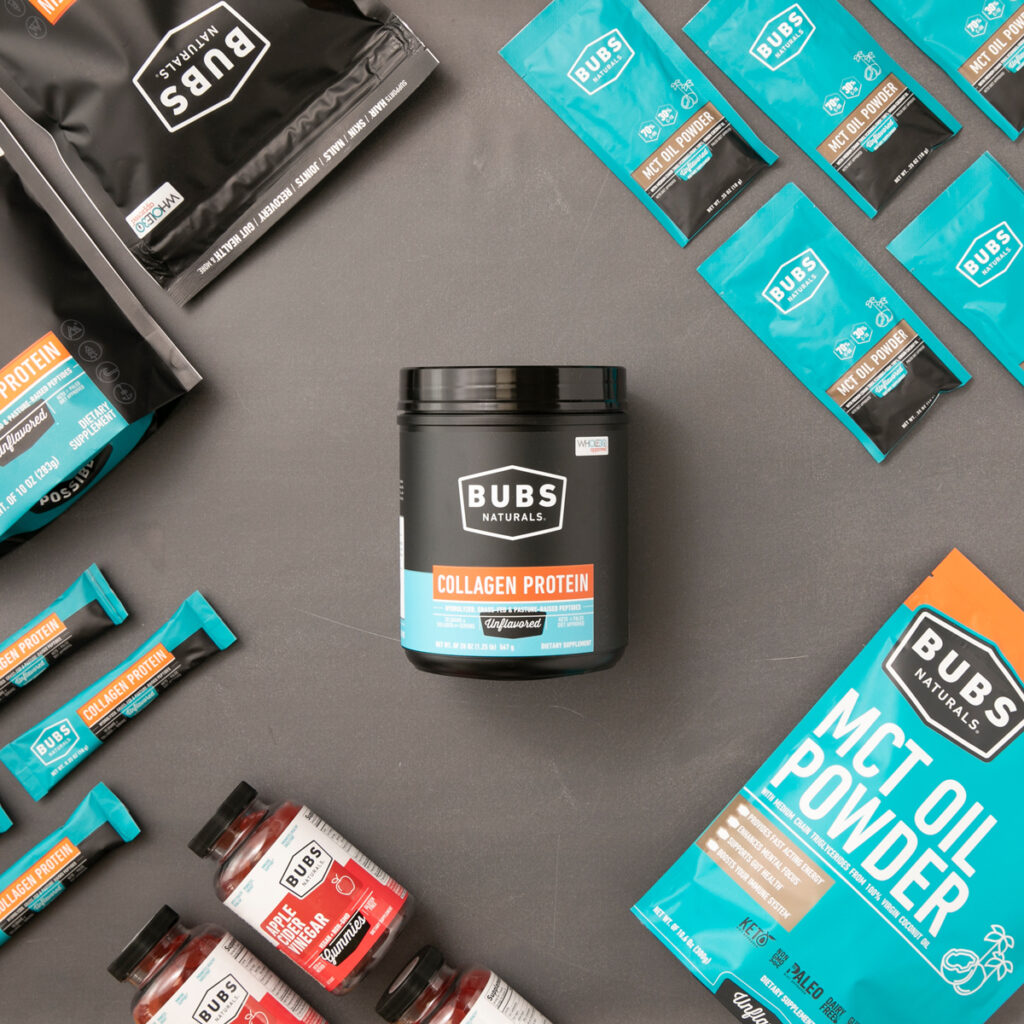
BUBS Naturals Collagen
My personal favorite and the one I take almost daily is Bubs Naturals Collagen Peptides.
One of the key features of BUBS collagen protein is its amino acid profile, which contains over 17 health-restoring amino acids. These include 7 essential amino acids, such as lysine and valine, that the body needs to function properly. By incorporating BUBS collagen protein into your diet, you can ensure that you are getting the essential nutrients your body needs to thrive.
Collagen supplements can be an effective way to support overall health and wellness. Collagen is an essential protein that makes up a significant portion of our skin, joints, and other connective tissues. As we age, our bodies naturally produce less collagen, leading to visible signs of aging such as wrinkles and joint pain. Supplementing with collagen can help support the body’s natural collagen production and promote healthier skin, joints, digestion, hair, and nails.
When incorporating collagen into your diet, there are several natural sources of collagen to consider, including bone broth, chicken skin, fish skin, and pork skin. Collagen supplements are available in various forms, such as powders, capsules, and gummies, making it easy to incorporate into your daily routine. When choosing a supplement, consider factors such as the type and source of collagen, and follow the recommended dosage instructions for optimal benefits.
When choosing a collagen supplement, it’s essential to consider factors such as the type and source of collagen and any additional ingredients. Look for high-quality, reputable brands such as Vital Proteins, Sports Research, and NeoCell for the best results.

Discover the Power of Mindful Eating: The Advantages of Tracking Your Food and Calorie Consumption
Maintaining a healthy lifestyle can be a challenge in today’s fast-paced world. One of the most critical aspects of a healthy lifestyle is maintaining a healthy weight. However, with so many options for fast food and junk food available, it can be challenging to keep track of your food and calorie consumption. This is where tracking your food and calorie consumption comes in.
Tracking your food and calorie consumption is one of the most effective ways to maintain a healthy weight. It helps you become more mindful of what you eat, how much you eat, and how often you eat. Being mindful of what you eat can help you make healthier food choices, and you can identify food items that are high in calories and replace them with healthier alternatives. Additionally, tracking your food and calorie consumption helps you keep track of your portion sizes, which is crucial when it comes to maintaining a healthy weight.
One of the advantages of tracking your food and calorie consumption is that it helps you stay accountable. Recording what you eat makes it less likely for you to indulge in unhealthy food choices. It also helps you keep track of your progress, which can be motivating. When you see the progress you are making, you will be encouraged to keep going.
Tracking your food and calorie consumption can also help you identify your food triggers. Food triggers are the emotions or situations that cause you to overeat. Once you identify your food triggers, you can find healthier ways to deal with them. For example, if stress triggers your overeating, you can try meditation or yoga to manage stress.
Furthermore, tracking your food and calorie consumption can help you plan your meals better. When you know what you are eating, you can create a customized meal plan that suits your dietary requirements. For example, if you are a vegan, you can plan your meals accordingly. Similarly, if you have food allergies, you can avoid foods that you are allergic to.
Tracking your food and calorie consumption can be incredibly beneficial for weight loss.
Here are ten reasons why:
- Increases awareness: When you track your food and calorie consumption, you become more aware of what you’re eating and how much you’re eating. This can help you identify areas where you need to make changes.
- Identifies patterns: Tracking your food and calorie consumption can help you identify patterns in your eating habits, such as overeating at certain times of the day or when you’re feeling stressed.
- Encourages mindful eating: When you track your food and calorie consumption, you’re more likely to pay attention to what you’re eating and how it makes you feel. This can help you develop a healthier relationship with food.
- Helps with portion control: Tracking your food and calorie consumption can help you learn what a healthy portion size looks like, which can help you avoid overeating.
- Provides accountability: When you track your food and calorie consumption, you’re more accountable for what you eat. This can help you stay on track with your weight loss goals.
- Helps with goal setting: Tracking your food and calorie consumption can help you set realistic goals for weight loss and track your progress.
- Provides motivation: Seeing progress in your food and calorie tracking can be motivating and help you stay committed to your weight loss goals.
- Helps with meal planning: Tracking your food and calorie consumption can help you plan healthier meals and snacks.
- Identifies problem areas: Tracking your food and calorie consumption can help you identify problem areas in your diet, such as consuming too many sugary drinks or not eating enough protein.
- Provides a sense of control: Tracking your food and calorie consumption can provide a sense of control over your eating habits and help you make healthier choices.
Lose IT
We prefer the LoseIT app. It is a free app with a premium version you can get. Give it a try!

Are You Sabotaging Your Sleep? 10 Surprising Foods and Beverages That Could Be Keeping You Awake
As a society, we often neglect our sleeping patterns and the importance of a good night’s sleep. The quality and quantity of sleep we get can be affected by a range of factors, including stress, environment, and what we consume during the day. In this comprehensive guide, we will explore 10 foods and beverages that may be keeping you awake and preventing you from getting the rest you need.
- Coffee: While coffee is a staple in many people’s morning routines, the caffeine content in coffee can interfere with our natural sleep patterns. Caffeine stimulates the central nervous system and can stay in our bloodstream for up to six hours, making it important to limit our caffeine intake throughout the day, especially in the evening.
- Alcohol: While alcohol may make you feel drowsy, it can actually have the opposite effect on your sleep patterns. Alcohol can disrupt the natural sleep cycle, causing frequent awakenings and reducing the overall quality of sleep. It’s important to limit alcohol intake, especially before bed.
- Spicy Foods: Spicy foods may be delicious, but they can also cause heartburn and indigestion, leading to discomfort and restlessness during the night.
- Dark Chocolate: While dark chocolate has many health benefits, including improving brain function and reducing inflammation, it also contains caffeine and theobromine, both of which can interfere with our sleep patterns.
- Energy Drinks: Similar to coffee, energy drinks are high in caffeine and can cause insomnia and restlessness if consumed too close to bedtime.
- Soda: Soda is high in sugar and caffeine, both of which can keep us awake and disrupt our natural sleep patterns.
- Fatty Foods: Foods high in fat can take longer to digest, leading to discomfort and indigestion during the night, making it difficult to get a good night’s rest.
- Red Meat: While red meat is a great source of protein, it can also take longer to digest, leading to discomfort and restlessness during the night.
- Tea: While tea is a great alternative to coffee, it still contains caffeine, which can interfere with our natural sleep patterns. It’s important to choose decaffeinated tea, especially in the evening.
- Water: While staying hydrated is important for our overall health and well-being, drinking too much water before bed can lead to frequent awakenings and disrupt our natural sleep patterns. It’s important to stay hydrated throughout the day but limit water intake before bedtime.
In conclusion, while we may enjoy consuming some of these foods and beverages, they may be interfering with our natural sleep patterns and preventing us from getting the rest we need. It’s important to be mindful of what we consume throughout the day and make adjustments to our diets if necessary to ensure a good night’s sleep.

The Surprising Link Between Sleep and Weight Gain – What You Need to Know!
How Does Sleep Affect Our Weight?
When it comes to maintaining a healthy weight, most of us know that exercise and nutrition are important factors. But did you know that sleep also plays a critical role in our weight management? In fact, inadequate sleep can cause disruptions in hormones that control appetite, metabolism, and energy balance, leading to weight gain and obesity.
In this article, we’ll explore the relationship between sleep and weight, and how getting enough quality sleep can help you maintain a healthy weight.
Sleep and Hormones
The hormones that regulate our appetite and metabolism are affected by sleep. Two key hormones involved in weight management are ghrelin and leptin.
Ghrelin is a hormone that stimulates appetite, and levels of ghrelin increase when we are sleep-deprived. This means that when we don’t get enough sleep, we are more likely to feel hungry and eat more.
Leptin, on the other hand, is a hormone that signals when we are full and should stop eating. When we are sleep-deprived, levels of leptin decrease, meaning that we are less likely to feel full and more likely to keep eating.
In addition to these two hormones, sleep also affects insulin levels. Insulin is a hormone that regulates blood sugar, and when we are sleep-deprived, insulin sensitivity decreases, leading to higher blood sugar levels and increased risk of weight gain and diabetes.
Sleep and Energy Balance
In addition to affecting hormones that regulate appetite and metabolism, sleep also plays a role in energy balance. Energy balance is the relationship between the energy we consume (through food) and the energy we expend (through physical activity and metabolism).
When we don’t get enough sleep, our bodies crave energy in the form of food, leading us to consume more calories than we need. At the same time, sleep deprivation can also lead to reduced physical activity and metabolism, meaning that we are burning fewer calories throughout the day.
Sleep and Eating Habits
In addition to affecting hormones and energy balance, sleep also affects our eating habits. When we are sleep-deprived, we are more likely to crave high-calorie, high-carbohydrate foods, such as sweets, salty snacks, and fast food.
Not only do these foods lead to weight gain, but they also disrupt sleep even further, creating a vicious cycle of poor sleep and unhealthy eating habits.
Tips for Getting Better Sleep
Now that we’ve established the importance of sleep for weight management, let’s explore some tips for getting better sleep:
- Stick to a consistent sleep schedule: Try to go to bed and wake up at the same time every day, even on weekends.
- Create a relaxing sleep environment: Make sure your bedroom is dark, cool, and quiet, and avoid using electronics before bed.
- Avoid caffeine and alcohol: Both caffeine and alcohol can disrupt sleep, so it’s best to avoid them, especially in the evening.
- Get regular exercise: Regular physical activity can help you fall asleep faster and improve the quality of your sleep.
- Manage stress: Stress can interfere with sleep, so it’s important to find healthy ways to manage stress, such as meditation, yoga, or deep breathing exercises.
Sleep plays a critical role in our weight management. Inadequate sleep can cause disruptions in hormones that control appetite, metabolism, and energy balance, leading to weight gain and obesity.
By understanding the importance of sleep for weight management and following the tips for getting better sleep, you can help maintain a healthy weight and improve your overall health.