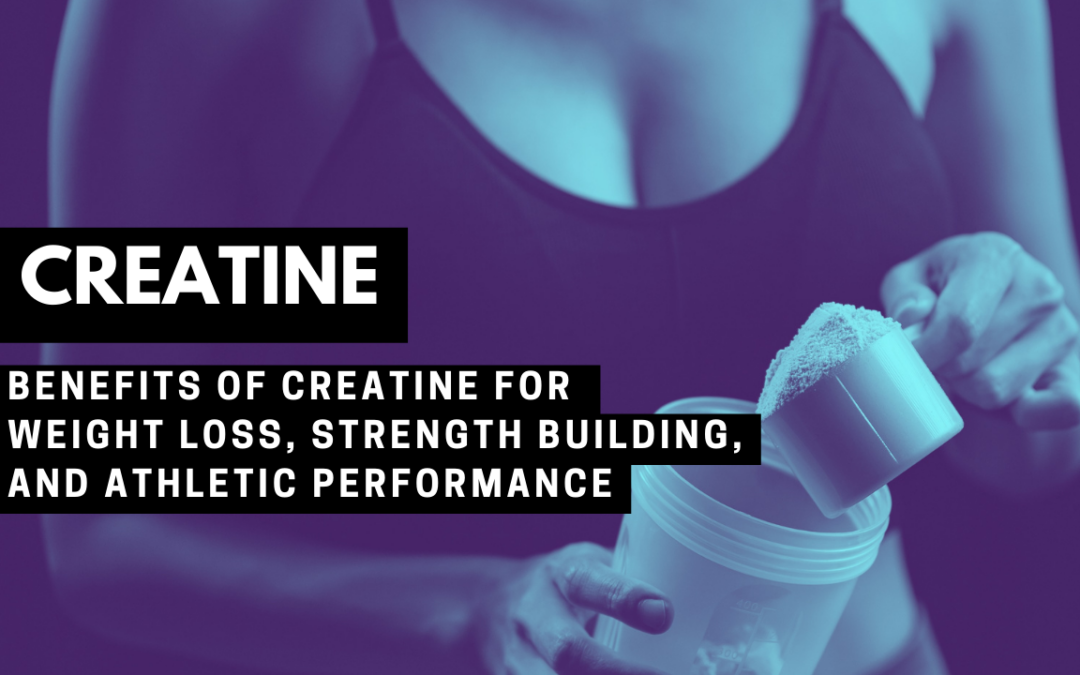
Creatine is a naturally occurring compound found in the body that is stored in muscle tissue and used as a source of energy during high-intensity exercise. It is also a popular supplement used to enhance athletic performance and increase muscle mass.
Creatine can be beneficial for weight loss and building strength in the following ways:
Enhances energy production during high-intensity exercise, allowing for more intense workouts and more calories burned.
Increases muscle mass and strength, allowing for more efficient calorie burning and greater fat loss.
Improves muscle endurance and recovery, allowing for more frequent and intense exercise.
Increases water content in muscle cells, which can make the muscles appear fuller and more defined.
Improves muscle function and power output, allowing for more effective weightlifting and strength training.
Has a positive impact on muscle protein synthesis, thus promoting muscle growth and recovery
Increases muscle hydration, which can lead to better muscle recovery and less soreness
Creatine can increase weightlifting capacity, thus allowing you to do more reps or lift heavier weights
Promotes muscle growth and recovery
Can aid in preventing muscle loss or sarcopenia in elderly population.
Planning ahead to eat healthy on a road trip is essential for maintaining a healthy diet while travelling. It is easy to fall into the trap of eating fast food and processed snacks while on the road, but with a little planning, it is possible to make healthier choices. By planning ahead, you can pack nutritious snacks and meals that will keep you feeling full and satisfied throughout your journey. This can also help to prevent overeating and weight gain, which can be a common issue when travelling. Additionally, planning ahead can help you avoid the high prices and unhealthy options that are often found at convenience stores and fast food restaurants. Eating healthy on a road trip can also help to boost your energy levels, making it easier to enjoy your trip and all the sights and experiences along the way.
Eating protein at breakfast is a vital part of a healthy diet. It has many benefits that can help to improve your overall health and well-being. In this article, we will discuss why it’s helpful to your diet to eat protein at breakfast.
One of the main benefits of protein is that it helps to keep you feeling full and satisfied for longer. Protein takes longer to digest than carbohydrates, which means that it keeps you feeling full for a longer period of time. This can be especially helpful if you are trying to lose weight, as it can help to curb your appetite and prevent you from reaching for unhealthy snacks later in the day.
Another benefit of protein is that it helps to stabilize your blood sugar levels. Carbohydrates, particularly refined carbs, can cause your blood sugar levels to spike quickly and then crash, leaving you feeling tired and sluggish. Eating protein with your breakfast, especially when combined with healthy fats, can help to slow down the absorption of carbohydrates and prevent these blood sugar spikes.
Protein is also great for muscle building and repair, which is important for overall health and fitness. Consuming protein at breakfast can help kickstart muscle growth and repair that occurs during the night, after a fast. This can also help with maintaining muscle mass as we age.
Eating protein at breakfast has been shown to increase satiety and promote weight loss. Studies have shown that people who eat protein-rich breakfasts are less likely to overeat later in the day and more likely to lose weight.
Eating protein at breakfast helps you feel full and satisfied for longer
Protein helps stabilize blood sugar levels
Protein is important for muscle building and repair
Eating protein at breakfast can help with weight loss
Eating protein at breakfast can help kickstart muscle growth and repair that occurs during the night, after a fast.
Eating protein at breakfast is a great way to start your day off on the right foot. Not only does it keep you feeling full and satisfied for longer, but it also helps to stabilize your blood sugar levels, promote muscle building and repair, and even help with weight loss. So, next time you’re preparing breakfast, consider adding some protein-rich foods like eggs, Greek yogurt, or lean meats to your plate for a balanced and nutritious start to your day.
Overeating is a common occurrence and it’s important not to be too hard on yourself. Take time to relax and focus on taking care of yourself, get plenty of sleep, stay hydrated, eat slowly, choose healthy, whole foods, eat smaller, more frequent meals, get moving, seek support, and be patient. It takes time to develop healthy habits and get back on track after overeating.
Don’t beat yourself up: Overeating is a common occurrence and it’s important not to be too hard on yourself. Remember that it’s okay to indulge every once in a while, and that you can get back on track.
Practice self-care: Take time to relax and focus on taking care of yourself. This could mean taking a warm bath, going for a walk, or spending time with loved ones.
Get plenty of sleep: A good night’s sleep can help you feel more energized and motivated to make healthy choices. Aim for 7-9 hours of sleep each night.
Drink plenty of water: Staying hydrated can help you feel fuller and more satisfied, which can help prevent overeating. Aim for 8-10 cups of water per day.
Eat slowly: Take your time when you eat, and pay attention to your body’s hunger and fullness cues. This can help you eat less and feel more satisfied.
Choose healthy, whole foods: Focus on eating foods that are high in nutrients and low in added sugars and unhealthy fats. This can help you feel more nourished and satisfied.
Eat smaller, more frequent meals: Instead of eating three large meals each day, try eating smaller meals or snacks every 3-4 hours. This can help keep your energy levels stable and prevent overeating.
Get moving: Exercise can help you feel better physically and mentally, which can make it easier to stick to healthy habits. Try to get at least 30 minutes of moderate activity each day.
Seek support: Surround yourself with supportive people who can help you stay on track. This could include friends, family, or a support group.
Be patient: It takes time to develop healthy habits and get back on track after overeating. Be patient with yourself and remember that it’s okay to have setbacks along the way.