Writing down your goals isn’t just a nice-to-have—it can significantly increase your chances of success. In fact, a study by Dr. Gail Matthews at Dominican University of California found that people who write down their goals are 42% more likely to achieve them. When you commit your aspirations to paper, you’re creating a tangible reminder of what you want to accomplish, which helps keep you focused and motivated.
Focus on Your Own Progress
In a world dominated by social media, it’s easy to fall into the trap of comparing yourself to others. Instead, concentrate on your own journey. Writing down your goals helps you establish a unique roadmap tailored to your ambitions. This personal tracking method allows you to celebrate your achievements without being influenced by external pressures or idealized online portrayals. By focusing on your progress, you’ll find greater satisfaction and confidence in your accomplishments.
Details Drive Success
General goals can be too broad to inspire meaningful action. To truly make progress, you need to be specific. Writing detailed objectives allows you to clarify your intentions and outline the steps needed to achieve them. Breaking down big goals into smaller, manageable tasks not only makes them less intimidating but also provides a clear path to follow. This level of detail is crucial for maintaining momentum and achieving success.
Accountability For Achieving Goals
Accountability plays a crucial role in goal achievement. Writing down your goals creates a sense of responsibility, reinforcing your commitment. To enhance accountability, share your goals with someone you trust—a friend, mentor, or family member. This not only strengthens your sense of commitment but also provides you with a support system to help you stay on track. Having someone to encourage and guide you can make a significant difference in achieving your goals.
Take Action and Crush Your Goals
Writing down your goals is a simple yet effective way to set yourself up for success. It boosts your chances of achieving them, encourages you to focus on your unique journey, and helps you stay accountable. By embracing this practice, you’re taking a proactive step towards personal and professional growth. Grab a pen, jot down your goals, and get ready to turn your aspirations into reality. The road to success starts with a single step—let yours be writing down your goals. Now, go out there and make it happen!
This November let’s all work to build HABITS that help us create the life we want. Do something EVERY DAY no matter how small, but do something!
Establishing Success-Oriented Daily Habits
Crafting a daily routine that embraces incremental progress, no matter how small, lays the foundation for fostering positive habits. For example, if your aspiration is to write a novel, dedicating yourself to composing just one paragraph each day can lead to significant progress over time. This consistent commitment to daily actions shifts your perspective from daunting long-term objectives to attainable, manageable tasks.
The Significance of Micro-Progress
Micro-progress, at the core of the ‘No Zero Days’ philosophy, ensures constant forward momentum. It mitigates burnout risk by breaking substantial tasks into manageable steps, particularly helpful for seemingly overwhelming projects. Remember, even the longest journey commences with a single step.
Sustaining Motivation and Preventing Burnout
Maintaining enthusiasm over time can be challenging, but ‘No Zero Days’ provides a solution to combat burnout. By celebrating daily achievements, no matter how small, you foster a sense of accomplishment, reigniting your motivation and keeping your journey exciting. Moreover, minor daily tasks are less likely to overwhelm you, ensuring continued engagement and enthusiasm.
LET’S GO NO ZERO FOR NOVEMBER
So what’s the deal, you’re asking?
For the month of November the challenge is to do “something” every day. Whether it’s Fitness (Health, Diet, Exercise, etc…) or Self-care (Learning, Meditating, Volunteering, etc…) related at least every day of the month. We’ve provided a nice PDF print-out tracker for you to track your progress of doing something every day.
The result is you have no-off days, no zero days! It’s how habits are BUILT!
How to participate:
Daily Action Log: Keep track of your small yet significant daily actions. Check a box once you’ve done one thing that fits into one or each of the categories: Fitness/Health, Self-Care/Learning, and Habits. They can all be the same or you can do just ONE thing!
Weekly Reflection: Reflect on your progress at the end of each week. Celebrate achievements and adjust your strategy for the upcoming week.
Habit Forming: Cultivate consistent habits by monitoring your daily efforts. Witness your incremental progress as it accumulates over time.
Motivation Boost: Use the provided space to jot down motivational quotes, reminders, or personal affirmations that keep you inspired and focused.
Coherence Enhancers: Implement transition words, as discussed in the article, to connect daily actions seamlessly, promoting a sense of purpose and continuity.
How to Use it:
Download: Get your copy of the “No Zero Days” Progress Tracker PDF by clicking the link below.
Print: Print the PDF to have a physical copy on hand, making it easy to fill out daily and reflect weekly.
It works for any given month you use it in: There are 31 day blocks, use it for whichever month you would like to start.
Download Your “No Zero Days” Progress Tracker Now: Download PDF
Embrace the power of “No Zero Days” with this user-friendly progress tracker. Watch as your consistent efforts pave the way for the realization of your dreams. Remember, each small action matters. Start tracking, start achieving.
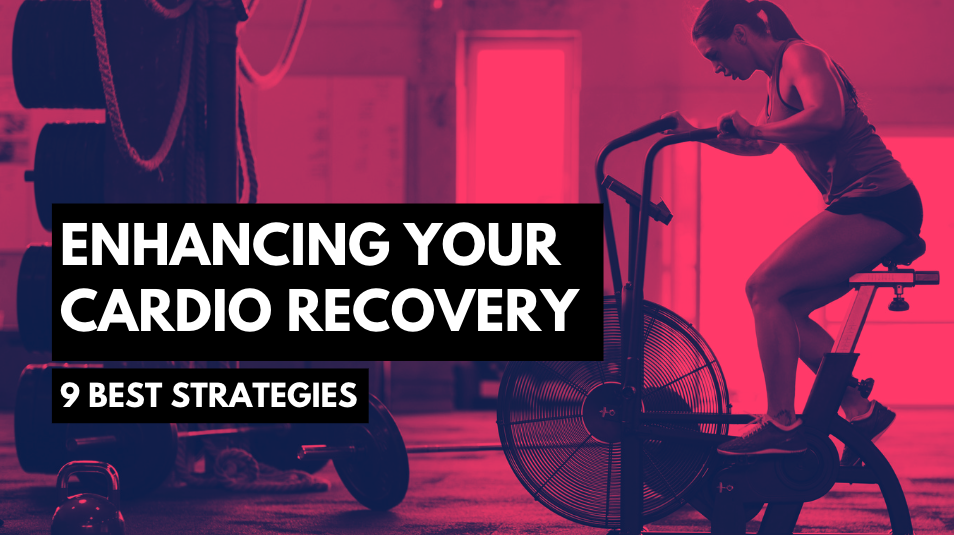
If you’re looking to improve your cardiovascular health and optimize your recovery after intense workouts, you’ve come to the right place. In this comprehensive guide, we will delve into the most effective strategies to enhance your cardio recovery, helping you regain your energy faster and achieve better results from your training sessions.
Understanding Cardiovascular Recovery
Cardiovascular recovery is a critical aspect of any fitness regimen. It refers to the process your body undergoes after a cardiovascular workout to repair, recharge, and adapt to the stress it has endured. Proper recovery is essential to prevent burnout, injury, and fatigue, allowing you to consistently push your limits in subsequent workouts.
1. Balanced Nutrition for Optimal Recovery
Nutrition plays a pivotal role in your cardio recovery journey. Fueling your body with the right nutrients can significantly impact your ability to bounce back after a demanding workout. Focus on consuming a balanced mix of macronutrients, including carbohydrates, proteins, and healthy fats.
1.1 Carbohydrates
Carbohydrates are your body’s primary energy source. After a cardio session, your glycogen stores are depleted. Consuming complex carbohydrates like whole grains, fruits, and vegetables replenishes these stores, ensuring you have the energy for your next workout.
1.2 Proteins
Protein is essential for muscle repair and growth. Including lean protein sources such as chicken, fish, beans, and tofu in your post-workout meals helps rebuild the muscle fibers that might have been damaged during intense exercise.
1.3 Healthy Fats
Healthy fats, like those found in avocados, nuts, and olive oil, aid in reducing inflammation and supporting overall heart health. These fats contribute to the body’s recovery process by providing a steady source of energy.
2. Adequate Hydration
Staying properly hydrated is crucial for efficient recovery. During a cardio workout, you lose fluids through sweat, which need to be replenished to maintain bodily functions and support recovery. Water is the primary choice for hydration, but electrolyte-rich drinks can also be beneficial, especially after prolonged or intense exercise.
3. Rest and Sleep
Rest is when your body truly heals and adapts. Prioritize getting adequate sleep, as it’s during this time that your body releases growth hormone and repairs damaged tissues. Aim for 7-9 hours of quality sleep each night to promote optimal recovery and overall well-being.
4. Active Recovery Techniques
Active recovery involves engaging in low-intensity activities to promote blood flow and reduce muscle soreness. Examples include light jogging, swimming, or cycling. These activities stimulate circulation, helping to remove waste products from muscles and speed up the healing process.
5. Stretching and Mobility Work
Incorporating stretching and mobility exercises into your routine can enhance flexibility, reduce muscle tension, and improve overall range of motion. Engage in dynamic stretches before your workout to warm up your muscles and static stretches afterward to aid in recovery.
6. Foam Rolling and Self-Massage
Using a foam roller or massage tools can help alleviate muscle knots, increase blood flow, and reduce post-workout soreness. Target the major muscle groups you worked during your cardio session for effective relief.
7. Mindfulness and Stress Management
Stress negatively impacts recovery. Practices like meditation, deep breathing, and yoga can promote relaxation, reduce stress hormones, and enhance recovery by fostering a positive mind-body connection.
8. Gradual Progression
Pushing your limits is essential for improvement, but it’s equally important to progress gradually. Sudden increases in intensity or volume can lead to overtraining and hinder recovery. Follow a well-structured workout plan that allows for gradual progression while factoring in rest days.
9. Professional Guidance
Consider seeking advice from fitness professionals or healthcare providers. They can offer personalized guidance based on your fitness level, goals, and any pre-existing medical conditions.
Wrap Up
Enhancing your cardio recovery requires a holistic approach that encompasses nutrition, hydration, rest, and active recovery strategies. By adopting these best practices, you’ll be well on your way to optimizing your recovery process, improving your cardiovascular health, and achieving your fitness goals. Remember, consistency is key, so make these strategies a part of your long-term routine.
Fiber is an essential nutrient that plays a crucial role in digestive health. Unfortunately, many people do not get enough fiber in their diet, which can lead to digestive issues such as constipation, bloating, and diarrhea. Luckily, there are many fiber supplements available that can help improve digestive health. Here are ten of the best fiber supplements for improved digestive health:
Psyllium Husk: Psyllium husk is a popular fiber supplement that is derived from the seeds of the Plantago ovata plant. It’s a soluble fiber that can help regulate bowel movements and reduce constipation. We recommend this brand, get it here.
Acacia Fiber: Acacia fiber is a soluble fiber that’s derived from the sap of the Acacia tree. It’s a gentle and well-tolerated fiber that can help support digestive health. We recommend this brand, get it here.
Inulin: Inulin is a soluble fiber that’s found in many fruits and vegetables. It’s a prebiotic fiber that can help support the growth of beneficial bacteria in the gut.
Wheat Dextrin: Wheat dextrin is a soluble fiber that’s derived from wheat starch. It’s a low-viscosity fiber that can help improve bowel regularity.
Methylcellulose: Methylcellulose is a soluble fiber that’s derived from plant cell walls. It’s a bulk-forming fiber that can help regulate bowel movements.
Guar Gum: Guar gum is a soluble fiber that’s derived from the seeds of the guar plant. It’s a bulk-forming fiber that can help support digestive health.
Polydextrose: Polydextrose is a soluble fiber that’s derived from glucose and sorbitol. It’s a low-calorie fiber that can help improve bowel regularity.
Konjac Root: Konjac root is a soluble fiber that’s derived from the root of the konjac plant. It’s a bulk-forming fiber that can help regulate bowel movements.
Oat Fiber: Oat fiber is a soluble fiber that’s derived from the outer layer of the oat kernel. It’s a prebiotic fiber that can help support digestive health.
Chia Seeds: Chia seeds are a rich source of both soluble and insoluble fiber. They’re a prebiotic fiber that can help support the growth of beneficial bacteria in the gut.
Fiber supplements can be an excellent way to improve digestive health and reduce the risk of digestive issues such as constipation, bloating, and diarrhea. Psyllium husk, acacia fiber, inulin, wheat dextrin, methylcellulose, guar gum, polydextrose, konjac root, oat fiber, and chia seeds are all great fiber supplements to consider for improved digestive health. As always, it’s important to speak with a healthcare provider before starting any new supplements or making significant changes to your diet.
Which brands/products do you like for any of the above? Leave a note in the comments for us. 🙂
Protein powder is a popular supplement for athletes, fitness enthusiasts, and people looking to supplement their diet with additional protein. But with so many different types of protein powder available on the market, it can be challenging to know which one is right for you. In this article, we’ll discuss the main types of protein powder, their benefits, and how to choose the right one for your needs.
Whey Protein Powder
Whey protein is the most popular type of protein powder and is derived from milk. It’s a complete protein, which means it contains all nine essential amino acids. Whey protein is quickly absorbed by the body, making it an excellent option for post-workout recovery. It’s also high in leucine, an amino acid that plays a crucial role in muscle protein synthesis.
Casein Protein Powder
Casein protein is also derived from milk and is another complete protein. However, it’s absorbed more slowly by the body, making it an excellent option for a slow-release protein source. Casein protein is also high in glutamine, an amino acid that supports immune function and gut health.
Soy Protein Powder
Soy protein powder is a plant-based protein source that’s derived from soybeans. It’s a complete protein and is an excellent option for vegetarians and vegans. Soy protein is also high in isoflavones, which have been shown to have health benefits such as
Pea Protein Powder
Pea protein powder is another plant-based protein source that’s derived from yellow peas. It’s a complete protein and is an excellent option for people with soy or dairy allergies. Pea protein is also high in branched-chain amino acids, which are essential for muscle protein synthesis.
Hemp Protein Powder
Hemp protein powder is a plant-based protein source that’s derived from hemp seeds. It’s a complete protein and is an excellent option for vegetarians and vegans. Hemp protein is also high in fiber and essential fatty acids, making it an excellent option for overall health.
Rice Protein Powder
Rice protein powder is a plant-based protein source that’s derived from brown rice. It’s a complete protein and is an excellent option for people with soy or dairy allergies. Rice protein is also high in cysteine, an amino acid that plays a crucial role in antioxidant function.
Egg Protein Powder
Egg protein powder is a protein source that’s derived from egg whites. It’s a complete protein and is an excellent option for people with soy or dairy allergies. Egg protein is also high in leucine and is quickly absorbed by the body, making it an excellent option for post-workout recovery.
Choosing the Right Protein Powder for Your Needs
When choosing a protein powder, consider your dietary restrictions, fitness goals, and personal preferences. Whey protein is an excellent option for post-workout recovery, while casein protein is an excellent option for a slow-release protein source. Soy protein is an excellent option for vegetarians and vegans, while pea protein is an excellent option for people with soy or dairy allergies. Hemp protein is an excellent option for overall health, while rice protein is an excellent option for people with cysteine deficiencies. Egg protein is an excellent option for people with soy or dairy allergies and for post-workout recovery.
Milk-based protein
Milk-based protein powder, specifically whey and casein protein powders, are two of the most popular protein supplements on the market. These powders are derived from milk and offer several benefits for athletes, fitness enthusiasts, and anyone looking to supplement their diet with additional protein. Here are some of the benefits of milk-based protein powder:
Complete Protein: Both whey and casein protein powders are complete proteins, which means they contain all nine essential amino acids that your body needs to function properly. These amino acids play a crucial role in building and repairing muscle tissue, supporting immune function, and regulating hormones.
High-Quality Protein: Milk-based protein powders are considered high-quality proteins because they have a high biological value. This means that they are easily absorbed and utilized by the body, making them an excellent option for post-workout recovery.
Fast-Absorbing: Whey protein is quickly absorbed by the body, making it an excellent option for post-workout recovery. It’s quickly digested and transported to the muscles, where it can be used to repair and rebuild muscle tissue.
Slow-Release: Casein protein is absorbed more slowly by the body, making it an excellent option for a slow-release protein source. It’s slowly digested and absorbed over several hours, providing a steady supply of amino acids to the muscles.
Supports Weight Loss: Milk-based protein powders can also help support weight loss by increasing satiety and reducing overall calorie intake. They can also help maintain muscle mass while dieting, which is crucial for maintaining a healthy metabolism.
Boosts Immune Function: Both whey and casein protein powders are high in glutamine, an amino acid that plays a crucial role in immune function. Glutamine supports the health and function of the gut, which is where a significant portion of the immune system is located.
Milk-based protein powders, specifically whey and casein protein powders, offer several benefits for athletes, fitness enthusiasts, and anyone looking to supplement their diet with additional protein. They are complete proteins, high-quality proteins, fast-absorbing, slow-release, and support weight loss and immune function. Incorporating milk-based protein powder into your diet can help support your fitness goals and overall health.
Plant-based protein
Plant-based protein powders have become increasingly popular over the years, especially among vegetarians, vegans, and those with dietary restrictions. These protein powders are derived from plant-based sources such as peas, hemp, rice, and soy. Here are some of the benefits of plant-based protein powders:
Complete Protein: Many plant-based protein powders are complete proteins, meaning they contain all nine essential amino acids required by the human body. For example, soy and pea protein powders are complete proteins, making them an excellent option for people who follow a plant-based diet.
Easily Digestible: Plant-based protein powders are generally easier to digest than animal-based protein powders. This is because plant-based proteins contain fiber, which can help slow down the digestion process, allowing for better absorption of nutrients.
Lower in Saturated Fat: Plant-based protein powders are generally lower in saturated fat than animal-based protein powders. This makes them a healthier option for those looking to reduce their overall saturated fat intake.
Good Source of Fiber: Plant-based protein powders are often a good source of fiber, which is essential for digestive health. Fiber can also help keep you feeling fuller for longer periods, reducing overall calorie intake.
Rich in Nutrients: Many plant-based protein powders are rich in nutrients such as vitamins, minerals, and antioxidants. For example, hemp protein powder is a good source of omega-3 and omega-6 fatty acids, while pea protein powder is rich in iron.
May Reduce the Risk of Chronic Diseases: Plant-based protein powders have been associated with a reduced risk of chronic diseases such as heart disease, type 2 diabetes, and some types of cancer.
Plant-based protein powders offer several benefits over animal-based protein powders, including being a complete protein, easily digestible, lower in saturated fat, a good source of fiber, rich in nutrients, and potentially reducing the risk of chronic diseases. Incorporating plant-based protein powders into your diet can help support your overall health and fitness goals, especially for those following a plant-based diet.
There are many different types of protein powder available on the market, each with their unique benefits. When choosing a protein powder, consider your dietary restrictions, fitness goals, and personal preferences. With the right protein powder, you can supplement your diet with additional protein and support your overall health and fitness goals.