In today’s world, it is becoming increasingly challenging to maintain the energy levels required to complete our daily tasks. As we age, it becomes even more difficult to generate and sustain the necessary energy. Many people turn to coffee or energy drinks that contain questionable ingredients for a quick energy boost, but these can lead to anxiety and unwanted side effects. Fortunately, there are now top-quality alternatives that utilize natural, unprocessed food ingredients to provide sustainable energy, concentration, and mental clarity without any harmful effects.
These innovative and creative alternatives are known as “clean energy” sources for your diet. They come in various forms such as water additives that are rich in vitamins, delicious chews, brain-boosting gum, and healthy versions of popular toaster pastries. With such a wide range of products available, there is something to cater to the needs and preferences of every individual.
*It is worth noting that all the products mentioned in this article have been independently selected.
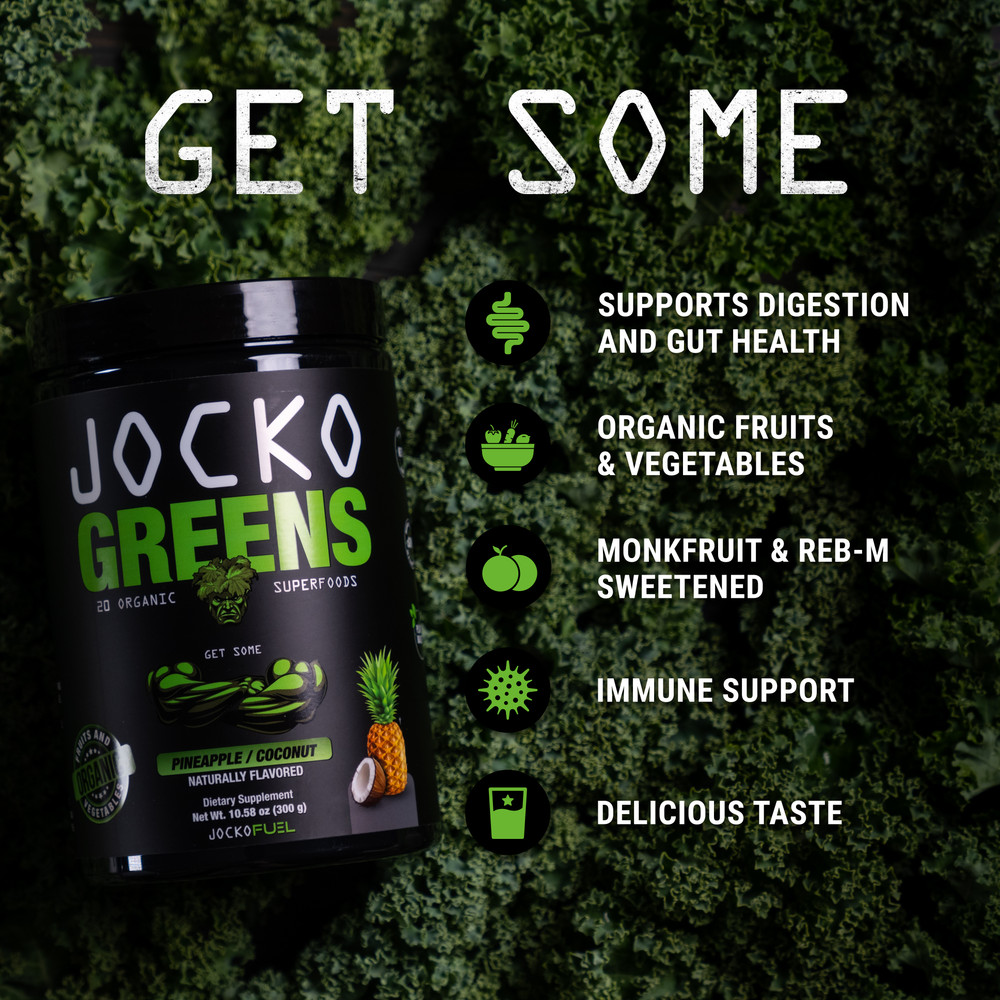
JOCKO Fuel’s JOCKO GREENS
Developed in partnership with Jocko Willink, JOCKO GREENS is your solution to finding the highest quality greens and superfoods the industry has to offer. A comprehensive blend of organic greens and superfoods, this product satisfies Jocko’s requirements to maintain the machine with a delicious taste. Monk fruit sweetened, with a transparent label, JOCKO GREENS is your answer for whole health support* with an immune-boosting benefit.
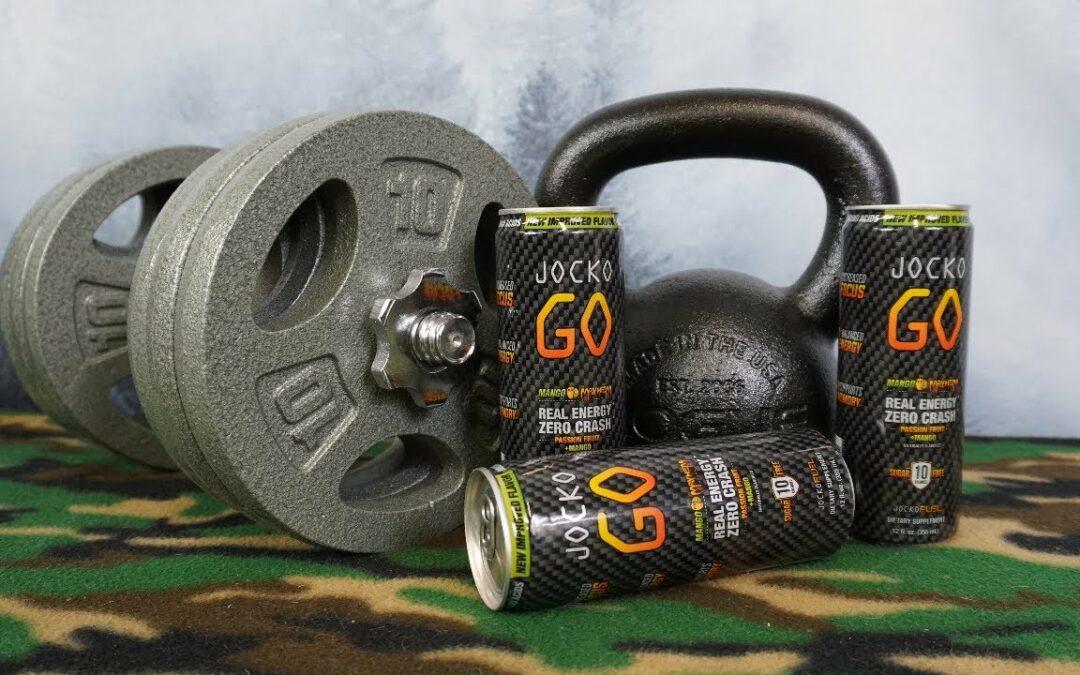
DISCIPLINE: Engineered for anyone who wants to get after it in life. Pre-meeting, pre-testing, pre-negotiation, pre-mission. If you’re looking for an extra cognitive or physical edge, JOCKO GO is your force multiplier.
FOCUS, ENERGY, MEMORY, & CLARITY: JOCKO GO is an energizing nootropic formulated to give you the energy you need to push through. It is crafted in a synergistic manner to help support cerebral blood flow and protect brain cells and neurons.
SCIENTIFICALLY FORMULATED: JOCKO GO was born through many hours of research, development, and testing. Blended with the perfect amount of each ingredient, this world-class formula offers a combo punch of support for any cognitive performance.
SUGAR-FREE MONK FRUIT: With 95mg of caffeine and zero sugar, the keto-friendly JOCKO GO will give a physical and cognitive boost without the crash that you experience with average energy drinks.
In conclusion, if you are looking for sustained and healthy energy and focus, then clean energy products are the way to go. By incorporating these products into your daily diet, you will feel more alert and productive without experiencing any unwanted side effects. Give them a try today and experience the difference they can make in your daily routine!
Protein powder is a popular supplement for athletes, fitness enthusiasts, and people looking to supplement their diet with additional protein. But with so many different types of protein powder available on the market, it can be challenging to know which one is right for you. In this article, we’ll discuss the main types of protein powder, their benefits, and how to choose the right one for your needs.
Whey Protein Powder
Whey protein is the most popular type of protein powder and is derived from milk. It’s a complete protein, which means it contains all nine essential amino acids. Whey protein is quickly absorbed by the body, making it an excellent option for post-workout recovery. It’s also high in leucine, an amino acid that plays a crucial role in muscle protein synthesis.
Casein Protein Powder
Casein protein is also derived from milk and is another complete protein. However, it’s absorbed more slowly by the body, making it an excellent option for a slow-release protein source. Casein protein is also high in glutamine, an amino acid that supports immune function and gut health.
Soy Protein Powder
Soy protein powder is a plant-based protein source that’s derived from soybeans. It’s a complete protein and is an excellent option for vegetarians and vegans. Soy protein is also high in isoflavones, which have been shown to have health benefits such as
Pea Protein Powder
Pea protein powder is another plant-based protein source that’s derived from yellow peas. It’s a complete protein and is an excellent option for people with soy or dairy allergies. Pea protein is also high in branched-chain amino acids, which are essential for muscle protein synthesis.
Hemp Protein Powder
Hemp protein powder is a plant-based protein source that’s derived from hemp seeds. It’s a complete protein and is an excellent option for vegetarians and vegans. Hemp protein is also high in fiber and essential fatty acids, making it an excellent option for overall health.
Rice Protein Powder
Rice protein powder is a plant-based protein source that’s derived from brown rice. It’s a complete protein and is an excellent option for people with soy or dairy allergies. Rice protein is also high in cysteine, an amino acid that plays a crucial role in antioxidant function.
Egg Protein Powder
Egg protein powder is a protein source that’s derived from egg whites. It’s a complete protein and is an excellent option for people with soy or dairy allergies. Egg protein is also high in leucine and is quickly absorbed by the body, making it an excellent option for post-workout recovery.
Choosing the Right Protein Powder for Your Needs
When choosing a protein powder, consider your dietary restrictions, fitness goals, and personal preferences. Whey protein is an excellent option for post-workout recovery, while casein protein is an excellent option for a slow-release protein source. Soy protein is an excellent option for vegetarians and vegans, while pea protein is an excellent option for people with soy or dairy allergies. Hemp protein is an excellent option for overall health, while rice protein is an excellent option for people with cysteine deficiencies. Egg protein is an excellent option for people with soy or dairy allergies and for post-workout recovery.
Milk-based protein
Milk-based protein powder, specifically whey and casein protein powders, are two of the most popular protein supplements on the market. These powders are derived from milk and offer several benefits for athletes, fitness enthusiasts, and anyone looking to supplement their diet with additional protein. Here are some of the benefits of milk-based protein powder:
Complete Protein: Both whey and casein protein powders are complete proteins, which means they contain all nine essential amino acids that your body needs to function properly. These amino acids play a crucial role in building and repairing muscle tissue, supporting immune function, and regulating hormones.
High-Quality Protein: Milk-based protein powders are considered high-quality proteins because they have a high biological value. This means that they are easily absorbed and utilized by the body, making them an excellent option for post-workout recovery.
Fast-Absorbing: Whey protein is quickly absorbed by the body, making it an excellent option for post-workout recovery. It’s quickly digested and transported to the muscles, where it can be used to repair and rebuild muscle tissue.
Slow-Release: Casein protein is absorbed more slowly by the body, making it an excellent option for a slow-release protein source. It’s slowly digested and absorbed over several hours, providing a steady supply of amino acids to the muscles.
Supports Weight Loss: Milk-based protein powders can also help support weight loss by increasing satiety and reducing overall calorie intake. They can also help maintain muscle mass while dieting, which is crucial for maintaining a healthy metabolism.
Boosts Immune Function: Both whey and casein protein powders are high in glutamine, an amino acid that plays a crucial role in immune function. Glutamine supports the health and function of the gut, which is where a significant portion of the immune system is located.
Milk-based protein powders, specifically whey and casein protein powders, offer several benefits for athletes, fitness enthusiasts, and anyone looking to supplement their diet with additional protein. They are complete proteins, high-quality proteins, fast-absorbing, slow-release, and support weight loss and immune function. Incorporating milk-based protein powder into your diet can help support your fitness goals and overall health.
Plant-based protein
Plant-based protein powders have become increasingly popular over the years, especially among vegetarians, vegans, and those with dietary restrictions. These protein powders are derived from plant-based sources such as peas, hemp, rice, and soy. Here are some of the benefits of plant-based protein powders:
Complete Protein: Many plant-based protein powders are complete proteins, meaning they contain all nine essential amino acids required by the human body. For example, soy and pea protein powders are complete proteins, making them an excellent option for people who follow a plant-based diet.
Easily Digestible: Plant-based protein powders are generally easier to digest than animal-based protein powders. This is because plant-based proteins contain fiber, which can help slow down the digestion process, allowing for better absorption of nutrients.
Lower in Saturated Fat: Plant-based protein powders are generally lower in saturated fat than animal-based protein powders. This makes them a healthier option for those looking to reduce their overall saturated fat intake.
Good Source of Fiber: Plant-based protein powders are often a good source of fiber, which is essential for digestive health. Fiber can also help keep you feeling fuller for longer periods, reducing overall calorie intake.
Rich in Nutrients: Many plant-based protein powders are rich in nutrients such as vitamins, minerals, and antioxidants. For example, hemp protein powder is a good source of omega-3 and omega-6 fatty acids, while pea protein powder is rich in iron.
May Reduce the Risk of Chronic Diseases: Plant-based protein powders have been associated with a reduced risk of chronic diseases such as heart disease, type 2 diabetes, and some types of cancer.
Plant-based protein powders offer several benefits over animal-based protein powders, including being a complete protein, easily digestible, lower in saturated fat, a good source of fiber, rich in nutrients, and potentially reducing the risk of chronic diseases. Incorporating plant-based protein powders into your diet can help support your overall health and fitness goals, especially for those following a plant-based diet.
There are many different types of protein powder available on the market, each with their unique benefits. When choosing a protein powder, consider your dietary restrictions, fitness goals, and personal preferences. With the right protein powder, you can supplement your diet with additional protein and support your overall health and fitness goals.
At some point in life, we have all experienced failure. It is a natural part of the human experience, and it is how we react to failure that sets us apart. Some people let failure defeat them, while others use it as an opportunity to learn and grow. The Japanese proverb, “fall down seven times, get up eight,” encapsulates this idea perfectly. In this article, we will explore the meaning behind this saying and how we can apply it in our own lives.
The Meaning Behind the Saying
The saying “fall down seven times, get up eight” comes from the Japanese proverb, “Nana korobi yaoki.” It is often used to describe resilience, perseverance, and determination in the face of adversity. The idea behind the saying is that no matter how many times we fall or fail, we must always get back up and keep trying. It emphasizes the importance of persistence and never giving up.
The Importance of Resilience
Resilience is the ability to bounce back from adversity, to overcome obstacles and challenges, and to keep moving forward. It is an essential skill to have in life, as we will all face setbacks and failures at some point. Resilience allows us to adapt to change, cope with stress, and thrive in the face of adversity.
The Benefits of Perseverance
Perseverance is another crucial component of the “fall down seven times, get up eight” mentality. Perseverance is the act of persisting in the face of adversity, despite setbacks, obstacles, or discouragement. It is the ability to keep going even when things get tough, to stay focused on our goals, and to never give up.
The benefits of perseverance are numerous. It helps us develop resilience, builds self-confidence, and fosters a growth mindset. Perseverance also allows us to learn from our mistakes and failures, to develop new skills, and to improve our performance over time.
Applying the “Fall Down Seven Times, Get Up Eight” Mentality in Our Lives
So, how can we apply the “fall down seven times, get up eight” mentality in our own lives? Here are a few tips:
1. Embrace Failure as a Learning Opportunity
Instead of viewing failure as a setback, try to see it as an opportunity to learn and grow. Ask yourself, “What can I learn from this experience?” Use failure as a chance to reflect on your actions, identify areas for improvement, and adjust your approach for next time.
2. Set Realistic Goals
Setting goals that are too lofty or unrealistic can set us up for failure. Instead, set goals that are challenging yet achievable. Break down larger goals into smaller, more manageable steps, and celebrate each small victory along the way.
3. Practice Self-Compassion
Being kind to ourselves, especially in the face of failure, is essential. Treat yourself with the same kindness and compassion you would extend to a friend. Remember that failure does not define you, and that every setback is an opportunity to learn and grow.
4. Surround Yourself with Positive Influences
Having a support system of positive influences can help us maintain a positive mindset and stay motivated. Seek out people who inspire and motivate you, and who will encourage you to keep going even when things get tough.
5. Stay Focused on Your Why
Finally, staying focused on your why – your purpose, your values, and your goals – can help you maintain perspective and stay motivated. When things get tough, remind yourself why you started in the first place, and keep pushing forward.
Endurance events like marathons, triathlons, and crucibles demand a lot of energy, and proper fueling and hydration are essential to perform at your best. In this article, we will provide you with some vital tips and tricks that will help you prepare for your upcoming endurance event.
One of the essential things to keep in mind is that hydration is key! While many people concentrate on fueling, they often neglect to hydrate. Nevertheless, staying hydrated is just as important as fueling, if not more so. Dehydration can lead to fatigue and decreased performance, so it is crucial to drink enough water during your event. Athletes participating in endurance events for more than 60 minutes should consume 30-60g of water per hour.
It’s best to drink your fueling to stay hydrated and fueled. Aim to consume 600 – 1200 mL per hour of a sodium, carb, and water cocktail. You can easily create this by mixing salt, lemon juice, and maple syrup in a baggie and drinking it down with some water at water stations. This way, you’ll get both fuel and hydration during your event.
Practice your fueling strategy ahead of time by doing a dress rehearsal. Start with shorter events like 1-hour runs or bike rides and gradually work your way up to longer ones. This way, you can determine what works best for you and how much fuel and hydration you need. When practicing with your fueling cocktail, we recommend wearing a camelback to make sure you’re training with the same amount of weight you’ll have during the event.
Pre-fueling and hydrating the night before your event is crucial. You should eat a substantial portion of healthy carbs, protein, and fat. Some good options include rice or sweet potatoes, some chicken or fish, and some olive oil, avocado, or nuts. Make sure to hydrate yourself adequately as well. Drink plenty of water throughout the day and consider adding an electrolyte drink to your pre-event routine.
Consider the environmental conditions when planning your fueling and hydration strategy. Environmental conditions play a significant role in fueling and hydration. If it’s hot, you’ll sweat more and need more fluids. If it’s cold, you’ll sweat less and require less fluid. Women in the high hormone phase of their cycle may need more hydration.
To sum it up, proper fueling and hydration are critical components of endurance events. They can make a massive difference in your performance and help you avoid fatigue and injury. Follow these tips and tricks to ensure that you’re correctly fueled and hydrated for your next endurance event.