Collagen is an essential protein that provides structure to our skin, joints, and other connective tissues. As we age, our bodies gradually produce less collagen, resulting in visible signs of aging such as wrinkles, sagging skin, and joint pain. Collagen supplements are becoming increasingly popular as a way to replenish the body’s collagen stores and promote overall health and wellness.
There are five different types of collagen, each with its unique benefits. Type I collagen is the most abundant and is found in our skin, bones, and tendons. It plays a vital role in skin elasticity and hydration, making it a popular ingredient in many anti-aging skincare products. Type II collagen is primarily found in cartilage and can help support joint health and mobility. Type III collagen is found in our skin, organs, and blood vessels and can help support wound healing and tissue repair. Type IV collagen is found in the basement membrane of our skin and organs and can help support the structural integrity of these tissues. Finally, Type V collagen is found in our hair and cell surfaces and can help support the formation of hair and nails.
By supplementing with collagen, you can help support the body’s natural collagen production and address the visible signs of aging, such as wrinkles and joint pain. Collagen supplements are available in various forms, including powders, capsules, and gummies, making it easy to incorporate into your daily routine. When choosing a collagen supplement, it’s important to consider factors such as the type of collagen, the source of the collagen, and any additional ingredients in the supplement. Overall, incorporating collagen supplements into your diet can be a beneficial way to support your overall health and well-being.
Benefits of Collagen Supplements
Improved Skin Health: Collagen supplements are rich in amino acids that are essential for skin health, such as glycine and proline. These amino acids play a critical role in skin hydration, elasticity, and firmness. Collagen supplements can help stimulate the body’s natural collagen production, leading to improved skin health and a more youthful complexion. Research has shown that collagen supplements can reduce the appearance of wrinkles and fine lines, improve skin elasticity, and promote a more even skin tone.
Joint Pain Relief: Collagen is a vital component of our joints, providing the structural support needed for mobility and flexibility. As we age, our bodies produce less collagen, leading to joint pain, stiffness, and inflammation. Collagen supplements have been shown to reduce joint pain and stiffness, especially in people with osteoarthritis. They can also help support joint flexibility and mobility by promoting the growth of new cartilage and reducing inflammation in the joints.
Better Digestive Health: Collagen is a crucial component of the gut lining, helping to maintain its structural integrity and prevent inflammation. Supplementing with collagen can help support the gut lining, reducing inflammation and promoting better digestion. Collagen supplements can also help improve symptoms such as bloating, constipation, and diarrhea by promoting the growth of beneficial gut bacteria.
Improved Hair and Nail Health: Collagen is a critical component of our hair and nails, providing the structural support needed for strength and growth. Supplementing with collagen can lead to stronger, healthier hair and nails, reducing brittleness and breakage. Research has shown that collagen supplements can improve hair thickness, promote hair growth, and strengthen nails.
How to Incorporate Collagen into Your Diet
Natural Sources of Collagen:
Incorporating natural sources of collagen into your diet can be an effective way to boost your collagen intake. Bone broth, made by simmering bones and connective tissue for an extended period, is an excellent source of collagen. Chicken skin, fish skin, and pork skin are also rich sources of collagen. These foods are not only high in collagen but also contain other beneficial nutrients, such as amino acids, vitamins, and minerals.
Bone broth for Collagen intake
Bone broth is a rich source of collagen, which is a protein that provides structural support to the body’s connective tissues, including the skin, joints, and bones. Here’s how you can get collagen from bone broth:
Choose high-quality bones: To make bone broth with a high collagen content, choose bones that are rich in collagen, such as chicken feet, chicken wings, beef knuckles, or oxtail.
Simmer the bones: Place the bones in a pot or slow cooker and cover with water. Add any desired vegetables, herbs, and spices for flavor. Simmer the bones for several hours, up to 24 hours, to allow the collagen to break down and release into the broth.
Strain the broth: Once the broth has simmered for the desired amount of time, strain it through a fine-mesh strainer or cheesecloth to remove any bone fragments or impurities.
Store the broth: The broth can be stored in the refrigerator for up to a week or frozen for later use. When reheating the broth, be sure to heat it gently to preserve the collagen content.
You can also purchase pre-made Bone Broth. I really like Kettle & Fire the best.
By incorporating bone broth into your diet, you can increase your intake of collagen and support your skin, joint, and bone health. Bone broth can be consumed on its own or used as a base for soups, stews, and other recipes. It’s a delicious and nutritious way to support your overall health and wellness.
Collagen Supplements and Dosage:
Collagen supplements are available in various forms, including powders, capsules, and gummies. When choosing a collagen supplement, it’s essential to consider factors such as the type of collagen, the source of the collagen, and any additional ingredients in the supplement. It’s recommended to choose a supplement that contains Type I collagen, as it is the most abundant type of collagen found in the body. Look for supplements that are sourced from high-quality, grass-fed, and pasture-raised animals to ensure purity and quality.
The recommended dosage for collagen supplements varies depending on the form of the supplement and the individual’s needs. Generally, a dose of 2.5-15 grams per day is recommended for optimal benefits. It’s essential to follow the recommended dosage instructions provided on the supplement label and consult with a healthcare professional before starting any new supplements.
Incorporating collagen supplements into your daily routine is easy and convenient. Collagen powder can be mixed into your morning coffee or smoothie, while capsules and gummies can be taken with water. It’s essential to be consistent with your collagen supplement routine to see the best results.
Choosing the Right Collagen Supplement
When choosing a collagen supplement, there are several factors to consider to ensure that you are getting a high-quality and effective product. First, consider the type of collagen in the supplement. Type I collagen is the most abundant in the body and is the most effective at promoting skin, joint, and bone health. Next, consider the source of the collagen. Look for supplements that are sourced from grass-fed and pasture-raised animals to ensure purity and quality. Finally, consider any additional ingredients in the supplement, such as flavors, sweeteners, or preservatives. Choose supplements with minimal added ingredients to avoid any potential negative side effects.
Top Collagen Supplements on the Market:
There are numerous collagen supplements available on the market, and it can be challenging to choose the best one for your needs. Here are three top collagen supplements on the market:
Vital Proteins Collagen Peptides:This popular collagen supplement is sourced from grass-fed, pasture-raised cows and contains Type I and Type III collagen. It is available in a powder form that can be easily mixed into beverages or recipes. Vital Proteins Collagen Peptides is known for its high quality and effectiveness in promoting skin, joint, and bone health.
Sports Research Collagen Peptides: This collagen supplement is also sourced from grass-fed, pasture-raised cows and contains Type I and Type III collagen. It is available in a powder form that is easy to mix into beverages or recipes. Sports Research Collagen Peptides is known for its purity and effectiveness in supporting joint health and reducing inflammation.
NeoCell Super Collagen:This collagen supplement is sourced from grass-fed, pasture-raised cows and contains Type I and Type III collagen. It is available in a powder form and also includes vitamin C, which can help support collagen synthesis in the body. NeoCell Super Collagen is known for its effectiveness in promoting healthy skin, hair, and nails.
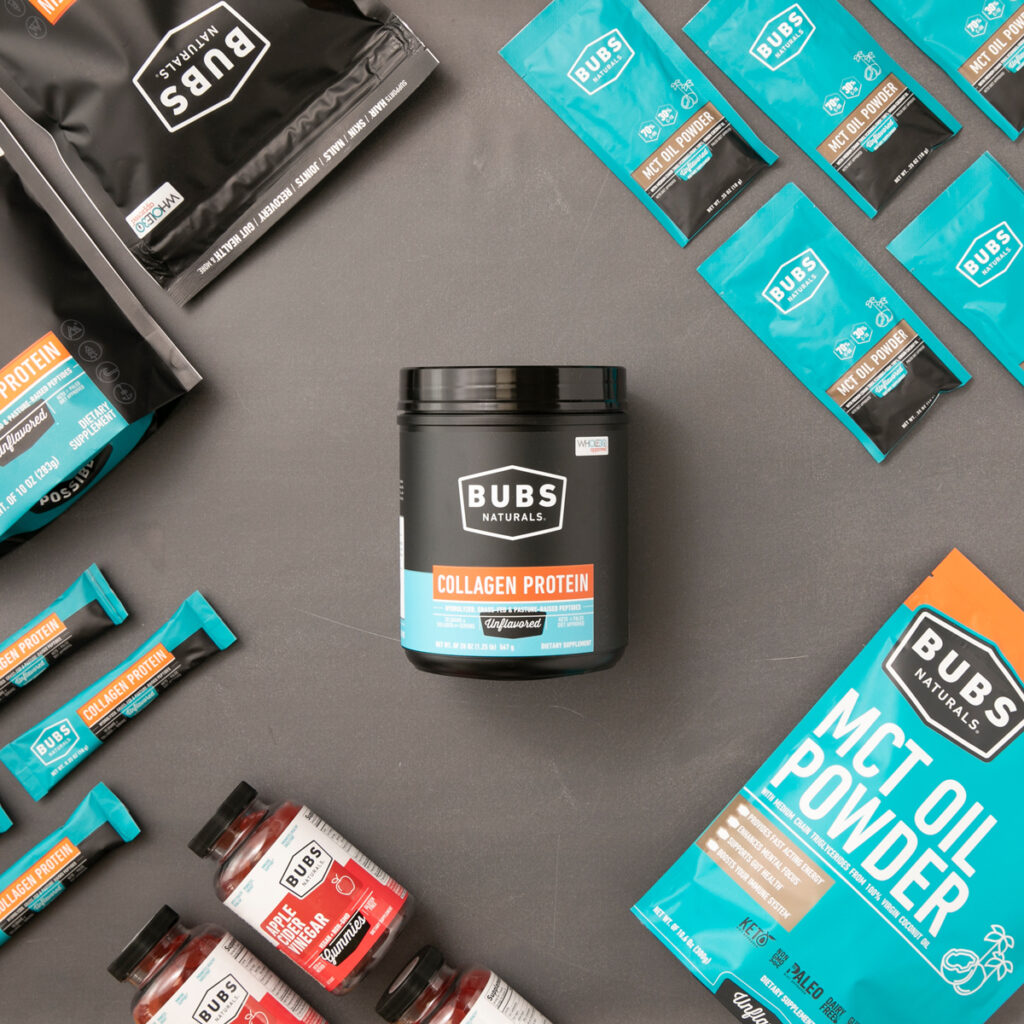
One of the key features of BUBS collagen protein is its amino acid profile, which contains over 17 health-restoring amino acids. These include 7 essential amino acids, such as lysine and valine, that the body needs to function properly. By incorporating BUBS collagen protein into your diet, you can ensure that you are getting the essential nutrients your body needs to thrive.
Collagen supplements can be an effective way to support overall health and wellness. Collagen is an essential protein that makes up a significant portion of our skin, joints, and other connective tissues. As we age, our bodies naturally produce less collagen, leading to visible signs of aging such as wrinkles and joint pain. Supplementing with collagen can help support the body’s natural collagen production and promote healthier skin, joints, digestion, hair, and nails.
When incorporating collagen into your diet, there are several natural sources of collagen to consider, including bone broth, chicken skin, fish skin, and pork skin. Collagen supplements are available in various forms, such as powders, capsules, and gummies, making it easy to incorporate into your daily routine. When choosing a supplement, consider factors such as the type and source of collagen, and follow the recommended dosage instructions for optimal benefits.
When choosing a collagen supplement, it’s essential to consider factors such as the type and source of collagen and any additional ingredients. Look for high-quality, reputable brands such as Vital Proteins, Sports Research, and NeoCell for the best results.
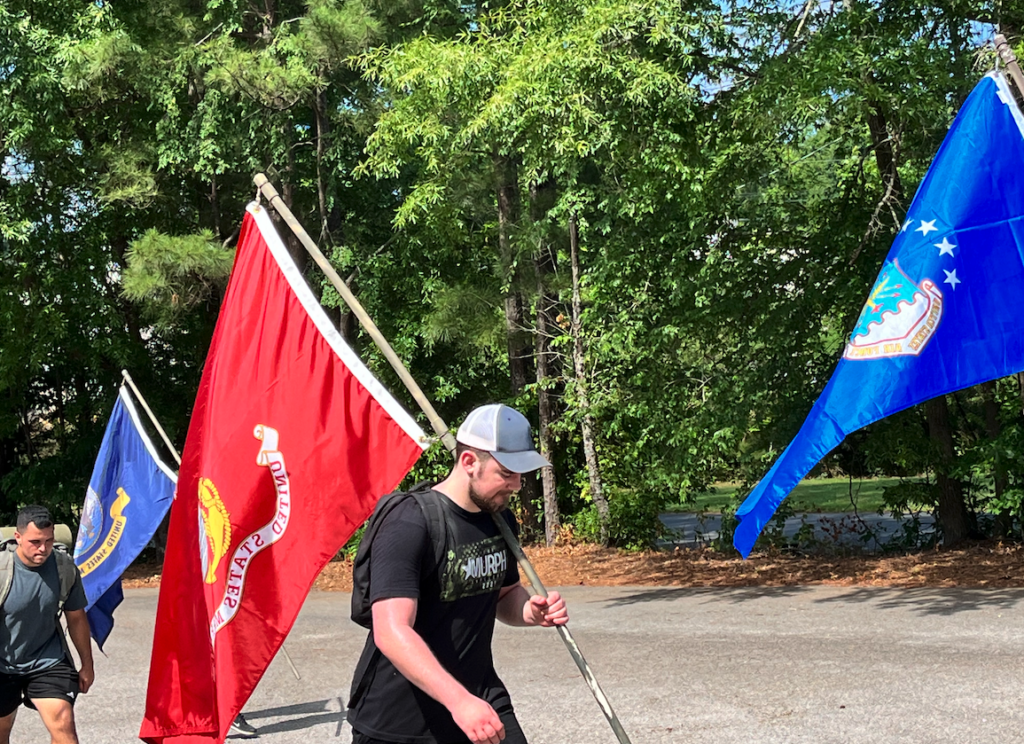
If you’re looking for a way to challenge yourself physically and mentally while honoring fallen servicemen and women, consider joining our gym for the Memorial Day Murph workout OR for the Ruck. Regardless of your choice you’ll push yourself to your limits just as our servicemen and women do every day.
Plus, you’ll have the opportunity to build camaraderie and community with others in our gym who share a passion for fitness and honoring the fallen. And, by participating in the Ruck/Murph, you’ll help raise awareness and funds for organizations that support veterans and their families. Don’t miss out on this chance to challenge yourself and make a difference. Join us for the Memorial Day Ruck + Murph this year.
We are partnering with Project Ruck again for 2023 for both the Ruck and the Murph workout.
All details will be emailed to registered participants.
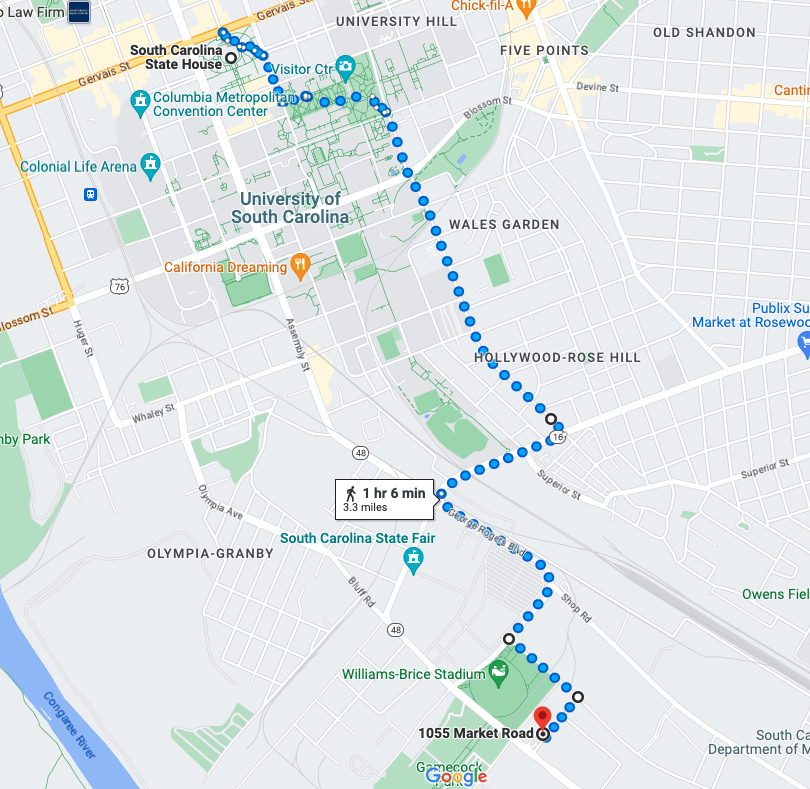
Immediately following the ruck march, Warrior Fitness will host a “MURPH” (at Approx 9:30 am) in honor of those who made the ultimate sacrifice for this great nation. The workout consists of a 1-mile run, followed by 100 pull-ups, 200 push-ups, 300 air squats, and ends with another 1-mile run. **The Murph is also a free event open to the public.
At some point in our lives, we all aspire to be successful. However, success is not a linear path, and failure is an inevitable part of the journey. In fact, failure is not only necessary but essential for personal growth. In this article, we will explore the psychology behind success and why failure is a crucial component of it.
Understanding Success
Success is not a one-size-fits-all concept. What success means to one person may not mean the same to another. Success is a subjective measure, and it varies from person to person. It could mean achieving financial stability, finding love, or even completing a marathon. Regardless of what it means to you, achieving success requires effort, perseverance, and dedication.
Success is a subjective measure that varies from person to person and can mean different things to different individuals.
Achieving success requires effort, perseverance, and dedication.
Success is not a destination but a journey, and it involves taking risks, learning from failures, and constantly growing.
The Role of Failure in Success
Contrary to popular belief, failure is not the opposite of success. In fact, it is an essential part of it. Failure is not a setback but an opportunity to learn and grow. It is through failure that we gain valuable experience, knowledge, and wisdom that we would not have otherwise. Every successful person has experienced failure, and it is what separates them from those who give up.
Failure is not the opposite of success, but an essential part of it. It allows us to learn from our mistakes, gain valuable experience, and grow as individuals.
The fear of failure is a natural human emotion that can prevent us from pursuing our dreams. However, it is important to embrace failure as an opportunity to learn and grow.
Developing a growth mindset is crucial for achieving success. It involves believing that our abilities can be developed through hard work and dedication, and viewing failure as a stepping stone towards success.
The Fear of Failure
Despite the essential role of failure in success, many people fear it. The fear of failure is a natural human emotion, and it can be paralyzing. It is this fear that prevents many people from pursuing their dreams and achieving success. However, it is important to understand that failure is not the end; it is only a stepping stone towards success.
The fear of failure is a common human emotion that can prevent us from taking risks and pursuing our goals.
This fear can lead to procrastination, self-doubt, and a lack of confidence, which can ultimately hinder our success.
To overcome the fear of failure, it’s important to acknowledge it, reframe it as an opportunity for growth, and take small steps towards our goals.
Embracing Failure
To achieve success, we must learn to embrace failure. Instead of fearing it, we should view it as an opportunity to learn and grow. We should take calculated risks, knowing that failure is a possibility, but so is success. By embracing failure, we can develop resilience, determination, and grit, all of which are essential for success.
Embracing failure means accepting that it’s a natural part of the learning process and an opportunity to improve.
It involves reframing failures as lessons, seeking feedback, and reflecting on what went wrong to avoid making the same mistakes in the future.
By embracing failure, we can develop resilience, perseverance, and a growth mindset, which are essential for success.
The Growth Mindset
One of the key characteristics of successful people is the growth mindset. The growth mindset is the belief that we can develop our abilities and intelligence through dedication and hard work. It is the opposite of the fixed mindset, which is the belief that our abilities and intelligence are fixed and cannot be changed. Those with a growth mindset embrace failure and see it as an opportunity to learn and grow.
The growth mindset is the belief that our abilities can be developed through hard work, dedication, and a willingness to learn.
Those with a growth mindset view challenges and failures as opportunities to learn and improve, rather than as indications of their abilities.
By cultivating a growth mindset, we can overcome the fear of failure, develop a love of learning, and achieve our goals.
Success is not a linear path, and failure is an inevitable part of it. Failure is not the opposite of success but an essential component of it. It is through failure that we gain valuable experience, knowledge, and wisdom that we would not have otherwise. To achieve success, we must learn to embrace failure, view it as an opportunity to learn and grow, and develop a growth mindset. With these qualities, we can overcome the fear of failure and achieve success.
Memorial Day is a day of remembrance for those who have died while serving in the United States Armed Forces. It is a day to honor the men and women who have made the ultimate sacrifice for their country. One of the ways in which people honor these fallen heroes is by participating in the Memorial Day Murph.
The Murph is a workout that was created in honor of Lieutenant Michael P. Murphy, a Navy SEAL who was killed in action in Afghanistan in 2005.
The workout consists of:
one-mile run 100 pull-ups 200 push-ups 300 squats one-mile run
*All done while wearing a 20-pound weight vest or body armor.
Greater Love Hath No Man Than To Lay Down His Life For His Brothers
John 15:13
The workout is not only a way to honor the sacrifice of Lieutenant Michael P. Murphy but also a way to pay tribute to all the men and women who have died while serving in the United States Armed Forces. The workout is challenging and requires a lot of physical and mental toughness, just like the challenges that our servicemen and women face every day.
Who is Lieutenant Michael P. Murphy?
Lieutenant Michael P. Murphy was a United States Navy SEAL officer who was awarded the Medal of Honor for his actions during the war in Afghanistan. He was born on May 7, 1976, in Smithtown, New York, and grew up in Patchogue, New York. Murphy attended Penn State University, where he earned his bachelor’s degree in political science and was also a member of the ROTC.
In 1999, Murphy joined the United States Navy and went on to become a Navy SEAL. He was deployed to Afghanistan in 2005 as part of Operation Red Wings. On June 28, 2005, Murphy and three other SEALs were on a reconnaissance mission in the mountains of eastern Afghanistan when they were ambushed by Taliban fighters. Despite being outnumbered and outgunned, Murphy and his team fought back, allowing one of the team members to escape.
During the battle, Murphy was shot several times but continued to fight until he was mortally wounded. He was posthumously awarded the Medal of Honor for his actions, becoming the first member of the United States Navy to receive the award since the Vietnam War.
Why do people participate in the Memorial Day Murph?
People participate in the Memorial Day Murph for a variety of reasons. For some, it is a way to honor the sacrifice of Lieutenant Michael P. Murphy and all the men and women who have died while serving in the United States Armed Forces. For others, it is a way to challenge themselves physically and mentally and push themselves to their limits.
The workout is also a way to build camaraderie and community. Many CrossFit gyms and fitness groups come together to participate in the Murph, creating a sense of unity and shared purpose. The workout is also a way to raise awareness and funds for organizations that support veterans and their families.
In one of it’s more memorable moments it was programmed in the CrossFit games in 2016.
How to prepare for the Memorial Day Murph?
Preparing for the Memorial Day Murph requires a lot of hard work and dedication. It is recommended that participants have some experience with CrossFit or other high-intensity workouts before attempting the Murph.
It is also important to gradually build up endurance and strength in the weeks leading up to Memorial Day. This can be achieved through regular training, including running, pull-ups, push-ups, and squats. It is also important to practice wearing a weight vest or body armor during training to get used to the added weight.
Proper nutrition and hydration are also essential for preparing for the Murph. Participants should consume a balanced diet with plenty of protein, carbohydrates, and healthy fats. Staying hydrated is also important, as the workout can be intense and lead to sweating and dehydration.
The Memorial Day Murph is a challenging workout that honors the sacrifice of Lieutenant Michael P. Murphy and all the men and women who have died while serving in the United States Armed Forces. It requires a lot of physical and mental toughness and is a way for people to push themselves to their limits while building camaraderie and community.
Preparing for the Murph requires hard work and dedication, including regular training, proper nutrition and hydration, and gradually building endurance and strength. By participating in the Memorial Day Murph, we can honor the fallen and show our appreciation for their service and sacrifice.
How tough is the Murph
Determining the level of difficulty of the Murph workout may not be apparent at first glance. It may seem relatively manageable compared to other exercises that require a significant amount of weight or intricate movements. We previously shared an article regarding the most challenging Hero workouts, which you can find here. Surprisingly, “Murph” is the second most popular Hero workout on BTWB, following “DT.”
Completing Murph involves two methods. While beginning and ending with a one-mile run, the 100 pull-ups, 200 push-ups, and 300 air squats can be done sequentially or partitioned. The latter method is the more commonly utilized approach, with participants breaking down the repetitions into 20 rounds of “Cindy,” consisting of five pull-ups, ten push-ups, and 15 air squats. If push-ups prove to be particularly challenging, a partitioned approach that alternates between push-ups and air squats can be adopted. This method allows individuals to work on other movements while simultaneously allowing their push-ups to rest. However, the un-partitioned approach, while more challenging, can result in prolonged rest periods between sets of push-ups.
Furthermore, participants can choose to wear a weight vest or not during the workout. While the prescribed method recommends the use of a vest, individuals who do not have access to one can still participate without it. The completion times differ significantly between the two options, with an average completion time of approximately 49 minutes for men and 53 minutes for women when performing the exercise without a weight vest.
If you would like to put some monetary support and/or purchase a T-shirt to go along with your workout this year, we align with The Murph Challenge.
When it comes to health and fitness, we often focus solely on the physical aspect – working out, eating healthy, and reaching our fitness goals. However, we often overlook the importance of self-awareness in achieving positive long-lasting results.
Self-awareness is the cornerstone of personal growth and development, and it’s especially important in the context of health and fitness. By being self-aware, we can understand our own thoughts, feelings, and behaviors and how they impact our health and wellness. This understanding allows us to take control of our health and make the necessary changes to become the best version of ourselves.
Why is Self-Awareness Important in Health and Fitness?
Self-awareness is crucial in achieving positive long-lasting results in health and fitness for several reasons:
Identifying Limitations and Challenges: Self-awareness allows us to identify our limitations and challenges. This includes physical limitations, mental health issues, or emotional roadblocks that may be holding us back from achieving our goals.
Understanding Motivations: Self-awareness allows us to understand our motivations for pursuing health and fitness goals. By understanding what drives us, we can stay motivated and committed to achieving our goals.
Recognizing Destructive Behaviors: Self-awareness helps us recognize destructive behaviors that may be hindering our progress. This includes unhealthy eating habits, lack of sleep, or stress.
Empowering Ourselves: Self-awareness empowers us to take control of our health and wellness. We become more in tune with our bodies and minds, and we can make healthier choices that benefit us in the long run.
Sustaining Long-Term Success: Self-awareness helps us sustain long-term success in health and fitness. By understanding our own thoughts, feelings, and behaviors, we can create habits that lead to long-lasting positive results.
Tactics for Achieving Positive Long-Lasting Results
Here are five tactics to help you achieve positive long-lasting results in health and fitness through self-awareness:
Practice Mindfulness: Practicing mindfulness allows you to be more present in the moment and aware of your thoughts and feelings. This can help you identify destructive behaviors and make healthier choices. Try practicing mindfulness through meditation, yoga, or simply taking a few deep breaths throughout the day.
Keep a Journal: Keeping a journal can help you become more aware of your thoughts and feelings. Write down what you eat, how you feel after a workout, and any other thoughts or emotions that come up throughout the day. This can help you identify patterns and triggers that may be holding you back.
Seek Feedback: Seek feedback from friends, family, or a fitness coach. Ask for constructive criticism and advice on how to improve your form or technique. This feedback can help you identify areas for improvement and stay on track with your goals.
Take Responsibility: Take responsibility for your actions and choices. Recognize when you make unhealthy choices and take steps to make healthier ones. By taking responsibility, you empower yourself to make positive changes.
Embrace Vulnerability: Be open and honest with yourself and others about your thoughts, feelings, and challenges. This vulnerability can help you connect with others who may be going through similar struggles, and it can also help you overcome obstacles and achieve your goals.
Self-awareness is a crucial component of achieving positive long-lasting results in health and fitness. By being self-aware, we can identify limitations and challenges, understand our motivations, recognize destructive behaviors, empower ourselves, and sustain long-term success. By practicing mindfulness, keeping a journal, seeking feedback, taking responsibility, and embracing vulnerability, we can become more self-aware and achieve our health and fitness goals.
Reaching your fitness goals can be a challenging journey, but with the right mindset and approach, it’s possible to turn your aspirations into reality. Whether you’re looking to lose weight, gain strength, or improve your overall health, consistency, dedication, and a positive attitude are key to success. Here are five tips to help you crush your fitness goals and maintain a healthy lifestyle.
Tip 1: Consistency Is Key
Consistency is the foundation of any successful fitness journey. If you want to achieve your fitness goals, you need to commit to your workouts and stay on track, no matter what. This means making exercise a priority in your daily routine and scheduling it like any other appointment.
Don’t let excuses or setbacks get in the way of your progress. If you miss a workout, don’t beat yourself up. Just get back on track and keep pushing forward. Remember, every little bit of progress counts and adds up over time.
Schedule exercise like any other appointment to stay committed and on track.
Don’t let setbacks get in the way; every little bit of progress counts.
Stay focused on your goals and keep pushing forward, even if you miss a workout.
Tip 2: Find What You Love
One of the most important things to keep in mind when starting a fitness journey is to find an activity that you enjoy. Whether it’s running, swimming, yoga, or weightlifting, choose something that brings you joy and makes you feel good.
When you find an activity that you love, it’s easier to stay motivated and committed in the long run. You’ll look forward to your workouts instead of dreading them, and you’ll be more likely to stick with it over time.
Choose an activity that brings you joy and makes you feel good.
When you enjoy what you’re doing, it’s easier to stay motivated and committed.
Try different activities to find what you love and mix up your routine.
Tip 3: Mix It Up
While finding an activity that you love is important, it’s also essential to mix up your workouts and add variety to your routine. Doing the same exercises day in and day out can lead to boredom, burnout, and plateauing.
To keep your workouts exciting and challenging, try new exercises, switch up your routine, and experiment with different types of workouts. This will help you avoid burnout and see better results over time.
Avoid boredom, burnout, and plateauing by trying new exercises and routines.
Experiment with different types of workouts to keep your muscles guessing.
Add variety to your routine to make it more exciting and challenging.
Tip 4: Rest and Recover
Rest and recovery are just as important as exercise when it comes to achieving your fitness goals. Your body needs time to repair and recover after intense workouts, so make sure to take rest days and give your muscles time to heal.
Overtraining can lead to injury, burnout, and a lack of progress, so listen to your body and take breaks when you need them. This will help you avoid setbacks and make progress toward your goals in a safe and sustainable way.
Take rest days to allow your body to repair and recover after intense workouts.
Overtraining can lead to injury, burnout, and a lack of progress.
Listen to your body and take breaks when you need them to avoid setbacks.
Tip 5: Believe in Yourself
Last but not least, one of the most important things you can do when working toward your fitness goals is to believe in yourself. Celebrate every win, no matter how small, and remember that progress takes time.
Don’t compare yourself to others or focus on what you can’t do. Instead, focus on your own progress and the positive changes you’re making in your life. With a positive attitude and a belief in yourself, you can achieve anything you set your mind to.
Celebrate every win, no matter how small, and focus on your own progress.
Don’t compare yourself to others or focus on what you can’t do.
Believe in yourself and your ability to achieve your goals with a positive attitude.
Achieving your fitness goals takes hard work, dedication, and a positive attitude. By following these five tips, you can make progress toward your goals while enjoying the journey. Remember to stay consistent, find what you love, mix up your workouts, rest and recover, and believe in yourself. With the right approach, you can turn your fitness aspirations into reality and live a healthy, happy life.