The plank exercise has gained immense popularity in recent years due to its effectiveness in strengthening the core muscles. It is a simple yet powerful exercise that can be performed anywhere, without the need for any equipment. In this article, we will explore the benefits of the plank exercise, provide tips on how to master it, and discuss how it can help you increase your core strength.
Benefits of the Plank Exercise
The plank exercise primarily targets the core muscles, which include the abdominal muscles, lower back, and hips. However, it also engages other muscle groups such as the shoulders, chest, and legs, making it a full-body workout. Here are some of the key benefits of incorporating planks into your fitness routine:
Core Strength: Planks are highly effective in strengthening the core muscles, which provide stability and support to the entire body. A strong core improves posture, balance, and overall athletic performance.
Improved Posture: By strengthening the muscles that support the spine, planks can help improve posture and reduce the risk of developing back pain or injuries.
Increased Flexibility: Planks stretch and expand the posterior muscle groups, promoting flexibility and range of motion in the shoulders, collarbones, and shoulder blades.
Enhanced Metabolism: The plank exercise activates multiple muscle groups simultaneously, resulting in increased calorie burn and improved metabolism.
Injury Prevention: Strong core muscles can help protect against injuries, especially in the lower back and hips, by providing better stability and support during daily activities and sports.
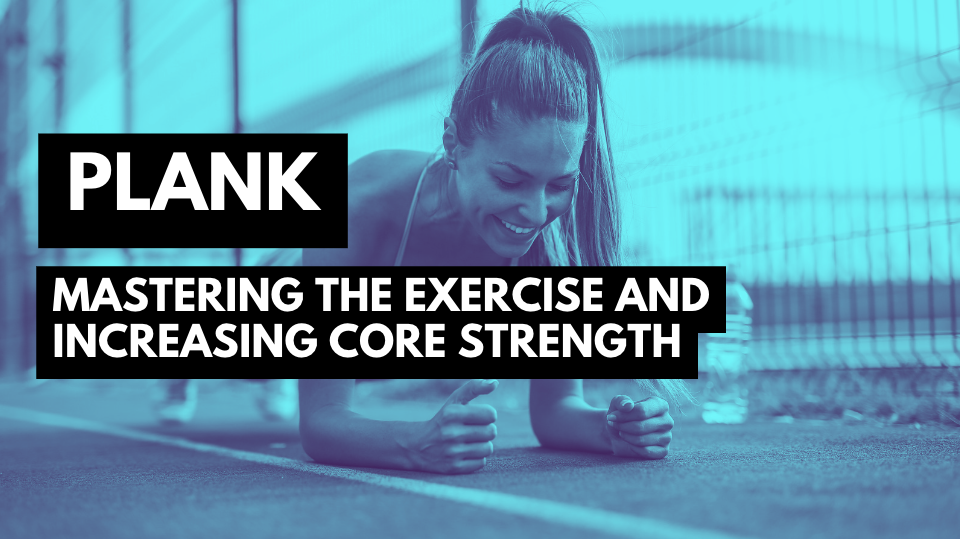
Maintaining proper form is crucial when performing planks. Begin by positioning yourself face down on the floor with your elbows directly beneath your shoulders and forearms resting on the ground. Keep your legs extended, toes tucked, and engage your core muscles.
2. Focus on Alignment
Ensure that your body is in a straight line from head to toe, avoiding any sagging or arching of the back. Engage your abdominal muscles and squeeze your glutes to maintain proper alignment throughout the exercise.
3. Gradually Increase Duration
Start with holding the plank for 20-30 seconds and gradually increase the duration as you build strength and endurance. Aim to work your way up to holding the plank for 1-2 minutes or longer, depending on your fitness level.
4. Incorporate Variations
To keep your plank workouts challenging and prevent plateaus, incorporate variations such as side planks, forearm planks, and plank jacks. These variations target different muscle groups and add variety to your routine.
5. Breathe and Relax
Remember to breathe deeply and consistently throughout the exercise. Avoid tensing up or holding your breath. Relax your neck and shoulders to maintain a steady and comfortable posture.
Increasing Core Strength with the Plank Exercise
Now that you have learned the proper technique and tips to master the plank exercise, let’s discuss how you can use it to increase your core strength.
1. Consistency is Key
Consistency is crucial when it comes to improving core strength. Incorporate planks into your regular fitness routine and aim to perform them at least 3-4 times a week. Over time, you will notice improvements in your strength and endurance.
2. Progression is Important (Continued)
adding variations, or introducing additional challenges such as elevating your feet on a stability ball or performing plank exercises on an unstable surface like a Bosu ball. Progression keeps your muscles adapting and ensures continuous growth in core strength.
3. Combine with Other Exercises
While planks are an excellent exercise for core strength, combining them with other exercises can further enhance your overall fitness. Incorporate exercises such as squats, lunges, push-ups, and back extensions into your routine to target different muscle groups and promote a balanced physique.
4. Engage Mind-Muscle Connection
When performing planks, focus on engaging the specific muscles you are targeting. Visualize your core muscles working and consciously contract them throughout the exercise. This mind-muscle connection can intensify the effectiveness of the exercise and help you achieve better results.
5. Include Rest Days
Rest and recovery are essential components of any fitness program. Allow your body sufficient time to recover and rebuild after intense plank workouts. Rest days not only prevent overtraining but also promote muscle growth and prevent injuries.
Conclusion
The plank exercise is a powerful tool for improving core strength and overall fitness. By mastering proper form, gradually increasing the duration and difficulty, and incorporating variations, you can take your plank workouts to the next level. Consistency, progression, and combining planks with other exercises will help you achieve optimal results.
Remember, building core strength takes time and dedication. Stay committed to your fitness journey, listen to your body, and make adjustments as needed. With persistence and the right approach, you can strengthen your core muscles and experience the numerous benefits that come with it.
So, incorporate planks into your fitness routine, challenge yourself, and enjoy the transformative effects on your core strength and overall well-being.
Now, go ahead and give the plank exercise a try. Get ready to feel the burn and witness the incredible changes in your body. Start today and unlock the power of the plank!
Cardiovascular exercise, commonly known as cardio, is a crucial component of any well-rounded fitness routine. Whether you’re aiming to lose weight, improve endurance, or enhance overall cardiovascular health, maximizing the benefits of your cardio workout is essential. In this article, we will provide you with valuable tips and strategies to help you get the most out of your cardio sessions.
Why Cardio Matters
Before we delve into the specifics of maximizing your cardio workout, let’s briefly discuss why cardiovascular exercise is important. Engaging in regular cardio activities offers numerous benefits for your physical and mental well-being. It helps strengthen your heart, improves lung capacity, boosts metabolism, and aids in weight management. Additionally, cardio exercises stimulate the release of endorphins, which can elevate your mood, reduce stress, and improve cognitive function.
Choosing the Right Cardio Exercise
The first step to maximizing your cardio workout is selecting the right type of exercise. There are various options available, including running, cycling, swimming, dancing, and elliptical training. Consider your personal preferences, fitness level, and any existing health conditions when making your choice. Opt for an activity that you enjoy and can sustain over time, as consistency is key to reaping the benefits.
Establishing a Routine
Consistency is crucial when it comes to cardio workouts. To maximize the effectiveness, aim for at least 150 minutes of moderate-intensity aerobic activity or 75 minutes of vigorous-intensity activity each week. Distribute these sessions evenly throughout the week to allow for proper recovery and minimize the risk of injury. Create a schedule and commit to it, treating your cardio sessions as non-negotiable appointments with yourself.
Warm Up and Cool Down
Before diving into your cardio routine, it’s essential to warm up your body to prepare it for the increased exertion. Start with a few minutes of low-intensity movements such as brisk walking or light stretching. This helps raise your heart rate gradually and increases blood flow to the muscles. Similarly, don’t forget to cool down after your workout to gradually bring your heart rate back to its resting state. This can be achieved through gentle stretching exercises.
Incorporating Interval Training
Interval training is a powerful technique to maximize the effectiveness of your cardio workouts. By alternating between high-intensity bursts and periods of active recovery, you can challenge your cardiovascular system and burn more calories in a shorter amount of time. For example, during a treadmill workout, alternate between sprinting for 30 seconds and jogging for 60 seconds. This method helps improve both aerobic and anaerobic fitness levels.
Gradually Increasing Intensity
To continuously improve your cardiovascular fitness, it’s important to gradually increase the intensity of your cardio workouts over time. This can be achieved by adding more resistance, increasing speed, or extending the duration of your sessions. However, remember to listen to your body and avoid pushing yourself too hard, especially if you’re a beginner. Gradual progress is key to avoiding injuries and ensuring long-term success.
Mixing Up Your Workouts
Adding variety to your cardio routine not only prevents boredom but also challenges different muscle groups and energy systems within your body. Consider incorporating different types of cardio exercises to keep things interesting. You can alternate between outdoor running, indoor cycling classes, swimming, or even dance-based workouts. By constantly challenging your body in new ways, you’ll avoid hitting plateaus and continue making progress.
Monitoring Your Heart Rate
Monitoring your heart rate during cardio sessions can help you gauge the intensity of your workouts. Your target heart rate zone depends on factors such as age, fitness level, and overall health. To maximize the benefits of your cardio workout, aim to maintain your heart rate within the desired range. This can be achieved by using a heart rate monitor or manually checking your pulse. By staying within the target heart rate zone, you can ensure that your cardiovascular system is appropriately challenged without overexerting yourself.
Incorporating Strength Training
While cardio exercises primarily focus on improving cardiovascular health, incorporating strength training into your routine can further enhance the effectiveness of your workouts. Building lean muscle mass not only boosts metabolism but also improves overall body composition. Engaging in strength training exercises, such as lifting weights or bodyweight exercises, two to three times a week can complement your cardio workouts and maximize their benefits.
Fueling Your Body
Proper nutrition plays a vital role in maximizing the results of your cardio workouts. Ensure that you’re providing your body with adequate fuel to perform optimally. Prioritize consuming a balanced diet that includes a variety of fruits, vegetables, whole grains, lean proteins, and healthy fats. Stay hydrated by drinking plenty of water before, during, and after your workouts. Additionally, consider consuming a small snack containing carbohydrates and protein about an hour before your cardio session to provide your body with the necessary energy.
Paying Attention to Form
Maintaining proper form during your cardio exercises is crucial for maximizing their effectiveness and preventing injuries. Whether you’re running, cycling, or performing any other cardio activity, focus on maintaining a good posture, engaging your core, and using the correct technique. If you’re unsure about the proper form, consider consulting a qualified fitness professional who can guide you and ensure you’re performing the exercises correctly.
Tracking Progress
To stay motivated and track your progress, consider keeping a fitness journal or using a mobile app to record your cardio workouts. Document important details such as the type of exercise, duration, intensity, and any notable milestones. This will allow you to see how far you’ve come and provide a sense of accomplishment. Additionally, periodically reassess your fitness goals and make necessary adjustments to your cardio routine to keep challenging yourself.
Listening to Your Body
Lastly, always listen to your body. While pushing yourself outside your comfort zone is necessary for progress, it’s equally important to recognize your limits and give yourself adequate rest and recovery. Overtraining can lead to injuries, burnout, and hinder your progress. If you experience any pain, dizziness, or excessive fatigue during your cardio workouts, it’s crucial to stop and seek medical advice if needed.
Conclusion
Maximizing your cardio workout involves a combination of strategic planning, consistency, and listening to your body. By selecting the right type of exercise, establishing a routine, incorporating interval training, gradually increasing intensity, mixing up your workouts, monitoring your heart rate, including strength training, fueling your body properly, maintaining good form, tracking progress, and prioritizing rest and recovery, you can get the most out of your cardio sessions and achieve your fitness goals.
Remember, each person’s journey is unique, and what works for one individual may not work for another. It’s important to find what suits you best and enjoy the process. Stay committed, stay motivated, and make the most of your cardio workouts to improve your overall health and well-being.
Now that you have a comprehensive understanding of how to maximize your cardio workout, it’s time to put your knowledge into action. Start implementing these tips today and experience the difference in your fitness journey.
Rest and recovery play a crucial role in our overall well-being. In today’s fast-paced world, it’s easy to overlook the importance of taking a break and allowing our bodies and minds to rejuvenate. However, incorporating regular rest days and prioritizing recovery can have numerous benefits for our physical and mental health. This article will explore the significance of rest and recovery, highlighting the advantages they offer and why they should be an integral part of our wellness routine.
The Importance of Rest Rest is not merely a luxury; it is a necessity. Our bodies and minds require adequate rest to function optimally. When we engage in strenuous physical activities or mentally demanding tasks, our energy reserves become depleted. Without proper rest, we risk burnout, decreased productivity, and compromised health. Therefore, taking regular breaks and allowing ourselves to recharge is essential.
Physical Benefits Rest days are not just about lounging on the couch; they provide an opportunity for our bodies to repair and rebuild. When we exercise, our muscles undergo microscopic damage, and rest is crucial for muscle recovery and growth. It allows time for the body to repair damaged tissues, replenish energy stores, and reduce the risk of injuries.
Moreover, rest plays a vital role in regulating our hormones. Lack of sleep and continuous physical exertion can disrupt hormonal balance, leading to increased stress levels, impaired immune function, and hindered progress in achieving fitness goals. By incorporating rest days into our exercise routine, we give our bodies a chance to restore hormonal balance, enhance immune function, and promote overall well-being.
Mental and Emotional Benefits In addition to physical benefits, rest also has a profound impact on our mental and emotional well-being. Continuous work or study without breaks can lead to mental fatigue, decreased concentration, and decreased cognitive performance. Taking regular breaks allows our minds to recharge, leading to improved focus, creativity, and productivity.
Furthermore, rest promotes emotional stability and resilience. When we are constantly engaged in demanding activities, stress levels can soar, and our mental health can suffer. Taking time off helps reduce stress, alleviate anxiety and depression symptoms, and improve our overall mood. It provides an opportunity for self-reflection, introspection, and fostering a healthy work-life balance.
The Power of Recovery While rest days are essential, recovery encompasses a broader scope, incorporating various practices and techniques that aid in our overall rejuvenation. Here, we will explore some powerful recovery strategies that can amplify the benefits of rest.
Sleep and Restful Nights Quality sleep is a cornerstone of recovery. During sleep, our bodies engage in crucial restorative processes, including muscle repair, hormone regulation, and memory consolidation. By prioritizing adequate sleep, typically around 7-9 hours per night for adults, we allow our bodies to fully recover, promoting physical, mental, and emotional well-being.
Nutrition and Hydration Proper nutrition and hydration are vital for recovery. Consuming a balanced diet rich in essential nutrients provides our bodies with the fuel needed for repair and replenishment. Additionally, staying hydrated optimizes bodily functions, supports muscle recovery, and aids in the removal of toxins.
Active Recovery While rest days often involve taking a break from intense workouts, engaging in active recovery activities can still be beneficial. Low-impact exercises like yoga, stretching, or light walks can improve blood circulation, reduce muscle soreness, and enhance flexibility. These activities promote recovery without placing excessive stress on the body.
Mindfulness and Stress Management Recovery is not limited to physical aspects; it also encompasses mental and emotional rejuvenation. Incorporating mindfulness practices, such as meditation, deep breathing exercises, or journaling, can help reduce stress, enhance self-awareness, and improve overall well-being.
When it comes to engaging in regular exercise, one of the common challenges many people face is dealing with post-workout muscle soreness. This discomfort can often hinder our ability to perform daily tasks and can even discourage us from sticking to our fitness routine. However, with the right strategies and approaches, it is possible to effectively manage workout soreness and promote faster recovery. In this article, we will explore various tips and techniques to help you alleviate soreness, optimize your recovery process, and get back to your workout routine feeling stronger and more energized.
Understanding Workout Soreness
Before we delve into the strategies to manage workout soreness, it is essential to understand why it occurs in the first place. During intense physical activity, such as weightlifting, running, or high-intensity interval training, our muscles experience microscopic damage at the cellular level. This damage triggers an inflammatory response and leads to the sensation of soreness and stiffness, commonly known as delayed onset muscle soreness (DOMS).
DOMS typically manifests itself within 24 to 48 hours after exercise and can last for several days. It is important to note that while soreness can be uncomfortable, it is a natural part of the muscle repair process and indicates that your body is adapting and getting stronger. With that said, let’s explore some effective strategies to manage workout soreness and promote faster recovery.
1. Warm-Up and Cool-Down
Properly warming up before a workout and cooling down afterward are essential components of any exercise routine. A dynamic warm-up routine, which includes activities like light jogging, stretching, or performing dynamic movements related to your workout, helps increase blood flow to the muscles and prepares them for the upcoming physical exertion.
Similarly, a cool-down session involving static stretching and gentle movements helps gradually bring your heart rate down and aids in the removal of metabolic waste products from the muscles. By incorporating warm-up and cool-down exercises into your workout routine, you can minimize the intensity and duration of workout soreness.
2. Gradual Progression
While it may be tempting to push yourself to the limit during each workout session, it’s important to gradually increase the intensity and duration of your exercises. Sudden and significant changes in your workout routine can lead to excessive muscle damage and prolonged soreness.
By progressively challenging your muscles and allowing them time to adapt, you can minimize the severity of soreness while still making consistent progress. Consider incorporating a mix of low, moderate, and high-intensity workouts into your training plan and gradually increase the intensity as your fitness level improves.
3. Optimal Nutrition
Fueling your body with the right nutrients is crucial for optimal recovery and reducing workout soreness. Consuming a well-balanced diet that includes an adequate amount of protein, carbohydrates, and healthy fats provides your muscles with the necessary building blocks for repair and growth.
Protein plays a particularly important role in muscle recovery as it provides the amino acids needed for tissue repair. Including lean sources of protein such as chicken, fish, eggs, or plant-based alternatives in your meals can aid in reducing soreness and promoting faster recovery.
4. Hydration
Staying hydrated before, during, and after your workout is essential for overall health and recovery. Dehydration can exacerbate muscle soreness and delay the healing process. Make sure to drink an adequate amount of water throughout the day and consider consuming electrolyte-rich beverages, especially during intense workouts or in hot weather conditions.
5. Active Recovery
Engaging in light physical activity on your rest days can actually help alleviate workout soreness. Active recovery promotes blood circulation, which aids in flushing out metabolic waste products and delivering oxygen and nutrients to the muscles. This can be achieved through activities like gentle stretching, walking, swimming, or practicing yoga. Active recovery not only reduces soreness but also helps prevent muscle stiffness and promotes faster healing.
6. Massage and Foam Rolling
Massage therapy and foam rolling are effective techniques for relieving muscle soreness and promoting recovery. Massage helps increase blood circulation, reduces muscle tension, and accelerates the removal of metabolic waste products. You can either seek professional massage therapy or use self-massage techniques such as using a foam roller, tennis ball, or massage stick to target specific muscle groups.
Foam rolling, in particular, can help release muscle knots and trigger points, improving flexibility and reducing soreness. Incorporating these techniques into your post-workout routine can greatly contribute to managing workout soreness.
7. Quality Sleep
Adequate sleep is often underestimated when it comes to muscle recovery. During sleep, the body releases growth hormone, which plays a crucial role in tissue repair and regeneration. Aim for 7-9 hours of uninterrupted sleep each night to optimize your recovery process and minimize workout soreness.
Creating a sleep-friendly environment, such as keeping your bedroom cool and dark, avoiding electronic devices before bed, and establishing a consistent sleep routine, can contribute to better sleep quality and overall recovery.
8. Utilize Recovery Techniques
In addition to the strategies mentioned above, there are various recovery techniques that can help alleviate soreness and promote faster recovery. Some popular options include:
Cold Therapy: Applying ice packs or taking cold showers can help reduce inflammation and numb the area, providing temporary relief from soreness.
Compression Garments: Wearing compression sleeves or garments can improve blood flow and reduce swelling, aiding in the recovery process.
Epsom Salt Baths: Soaking in a warm bath with Epsom salt can help relax muscles, relieve tension, and reduce soreness.
Anti-inflammatory Foods: Incorporating foods with anti-inflammatory properties, such as turmeric, ginger, berries, and leafy greens, into your diet can help minimize workout-induced inflammation.
Managing workout soreness is essential for maintaining a consistent exercise routine and achieving your fitness goals. By implementing the strategies mentioned above, including proper warm-up and cool-down, gradual progression, optimal nutrition, hydration, active recovery, massage and foam rolling, quality sleep, and utilizing recovery techniques, you can effectively alleviate muscle soreness and promote faster recovery.
Remember, while soreness is a normal part of the muscle repair process, excessive or prolonged soreness may indicate overtraining or an underlying injury. If you experience severe pain or persistent soreness, it is advisable to consult with a healthcare professional.
Incorporate these tips into your fitness journey, and soon you’ll find yourself able to tackle your workouts with more ease and recover faster, allowing you to achieve your fitness goals. Don’t let soreness hold you back; take proactive steps to manage it and keep pushing forward.
In the world of fitness, progress is the key to success. Whether you’re a beginner or an experienced athlete, tracking your workouts is essential to measure your progress and celebrate your achievements along the way. Understanding the importance of monitoring your fitness journey and having tangible evidence of your advancement can provide the motivation and satisfaction needed to stay committed to your goals. In this article, we will delve into the significance of tracking progress, exploring the benefits it offers and the various methods you can use to effectively monitor your fitness journey.
Why Track Your Progress?
Tracking your progress is crucial for several reasons. Firstly, it allows you to see how far you’ve come since the beginning of your fitness journey. By keeping a record of your workouts, you can easily compare your current performance to your past performance, identifying the areas where you have improved and where you may need to focus more attention. This reflection on progress provides a sense of accomplishment and can boost your self-confidence, pushing you to strive for even greater achievements.
Secondly, tracking your workouts enables you to set realistic goals and create a well-structured training plan. By analyzing your previous performance, you can identify patterns and trends, understanding what works best for you and what needs improvement. This knowledge empowers you to set specific, measurable, attainable, relevant, and time-bound (SMART) goals that align with your capabilities and aspirations. Additionally, tracking progress helps you keep track of milestones, allowing you to celebrate the smaller victories that contribute to your overall success.
Lastly, tracking progress provides valuable feedback on the effectiveness of your training program. By monitoring your workouts, you can assess whether you’re making consistent progress, plateauing, or regressing. This information enables you to make necessary adjustments to your training regimen, such as modifying exercises, increasing intensity, or altering the frequency of your workouts. Adapting your routine based on your progress ensures that you continue to challenge your body, avoid stagnation, and maximize your results.
Methods for Tracking Progress
Now that we understand the significance of tracking progress, let’s explore some effective methods you can use to monitor your fitness journey.
1. Workout Journal
A workout journal is a simple yet powerful tool for tracking progress. By recording each exercise, the number of sets and reps, and any additional notes, you can create a comprehensive log of your workouts. This written documentation allows you to review your performance over time and spot any patterns or inconsistencies. Additionally, a workout journal provides a tangible reminder of your progress, which can be highly motivating when you’re feeling discouraged or unmotivated.
2. Fitness Apps and Wearable Devices
In the digital age, technology has revolutionized the way we track progress. Fitness apps and wearable devices offer convenient and accurate methods for monitoring various aspects of your fitness journey. These tools can track metrics such as heart rate, calories burned, distance covered, and even sleep quality. They provide real-time data and often have built-in features that allow you to set goals, receive reminders, and analyze your progress visually. Utilizing fitness apps and wearable devices can streamline the tracking process and provide a more interactive and engaging experience.
3. Progress Photos and Measurements
Sometimes, numbers alone don’t tell the whole story. Progress photos and measurements can be invaluable in capturing the physical changes that may not be reflected on a scale or in workout logs. Taking regular photos of yourself from different angles can help you visually compare your body composition and notice subtle transformations that occur over time. Additionally, measuring various body parts, such as waist circumference, hip circumference, and body fat percentage, can provide quantitative data to supplement your progress tracking.
4. Performance Metrics
Tracking performance metrics is another effective way to measure progress in your fitness journey. This method involves recording specific performance indicators related to your workouts, such as the amount of weight lifted, the duration of your cardio sessions, or the time it takes to complete a specific exercise or routine. By consistently monitoring these metrics, you can gauge your improvements in strength, endurance, speed, or any other area relevant to your fitness goals. Having concrete data to refer to can be highly motivating and provide a clear picture of your progress over time.
5. Goal Setting and Progression Planning
Setting goals and planning your progression is a vital part of tracking progress effectively. Start by establishing clear and realistic short-term and long-term goals that align with your overall fitness objectives. These goals should be specific, measurable, attainable, relevant, and time-bound (SMART). Once you’ve defined your goals, break them down into smaller milestones and create a progression plan that outlines the steps you need to take to achieve each milestone. Regularly revisit and update your goals as you make progress to ensure they remain challenging yet achievable.
6. Accountability Partners and Supportive Communities
Having a support system can greatly enhance your progress tracking journey. Engaging with like-minded individuals who share similar fitness goals can provide motivation, accountability, and a sense of camaraderie. Consider finding an accountability partner or joining supportive fitness communities, either online or in-person, where you can share your progress, seek advice, and celebrate achievements together. By surrounding yourself with individuals who understand and support your journey, you’ll have a greater chance of staying committed and motivated throughout the process.
Tracking your progress is an integral part of any successful fitness journey. It allows you to measure your advancements, set meaningful goals, and make informed adjustments to your training program. By utilizing methods such as workout journals, fitness apps, progress photos, performance metrics, goal setting, and supportive communities, you can effectively monitor your progress and celebrate your achievements along the way. Remember, the path to fitness is a personal one, and tracking your progress will not only provide you with tangible evidence of your growth but also serve as a reminder of the hard work and dedication you’ve put into your journey.
So, embrace the importance of tracking progress, and let it be your guide as you strive for continuous improvement. Start today, monitor your progress consistently, and witness the transformative power of taking control of your fitness journey. Celebrate every milestone, no matter how small, and remember that progress is a testament to your commitment and determination.
Imagine holding the key to a long and vibrant life, free from the clutches of diseases like cancer, heart disease, and type 2 diabetes. Now, you can unlock that door by embracing the transformative power of exercise.
Don’t just take my word for it, take the time and watch/listen to this episode of the Jocko podcast with guest Peter Attia where they talk through the importance and benefit of exercise on just about EVERY aspect of what he calls the four horsemen of death:
What are the four horsemen of death according to Dr Peter Attia?
Attia describes the chronic diseases of ageing that will kill most of us as the Four Horsemen: heart disease, cancer, neurodegenerative disease and type 2 diabetes and related metabolic dysfunction.
In this groundbreaking book, “Outlive: The Science and Art of Longevity” by Peter Attia, MD, he writes about how exercise plays a pivotal role in extending your lifespan and enhancing your overall well-being. Dr. Attia’s comprehensive research and insights empower you to take charge of your health and make exercise an integral part of your daily routine.
Dr. Attia tells us:
Exercise as the most potent domain: Dr. Attia underscores the profound impact of exercise on both lifespan and health span. It is a game-changer in promoting longevity and ensuring optimal physical and mental health.
Exercise: Your powerful preventive measure: Uncover how exercise acts as a shield against the “four horsemen” of diseases—heart disease, cancer, neurodegenerative disease, and type 2 diabetes. Embrace exercise as a proactive measure to safeguard your well-being.
Elevate your exercise routine: Discover the optimal exercise strategies, tailored to your individual needs, that can maximize the benefits. From cardiovascular workouts to strength training and everything in between, you’ll find guidance to ignite your fitness journey.
Unleash the holistic benefits: Beyond physical fitness, exercise positively impacts your emotional well-being, sleep quality, and overall vitality. Embrace exercise as a holistic approach to achieve balance and fulfillment in all aspects of your life.
Now is the time to take action and prioritize your health. Commit to incorporating exercise into your daily routine and experience the incredible benefits it can bring. Whether it’s a brisk walk, a challenging workout, or engaging in your favorite physical activity, every step counts.
Join the movement towards a healthier and more fulfilling life. Say YES to exercise and unlock your potential for a vibrant future.
To embark on this life-changing journey, I urge you to grab a copy of “Outlive: The Science and Art of Longevity” by Peter Attia, MD. Let it be your guide, inspiring you to embrace exercise as the catalyst for a long and prosperous life. Then come and see us and find out ways we can work together.
Let exercise be your powerful ally in the pursuit of longevity and well-being.
Wishing you strength, vitality, and a future filled with health!
ABOUT PETER ATTIA
Peter Attia, MD, is the founder of Early Medical. He received his medical degree from the Stanford University School of Medicine and trained at the Johns Hopkins Hospital in general surgery. He also trained at the NIH as a surgical oncology fellow at the National Cancer Institute, where his research focused on immune-based therapies for melanoma. He serves on the editorial board for the journal Aging. He is the host ofThe Drive, one of the most popular podcasts covering the topics of health, medicine, and longevity.