
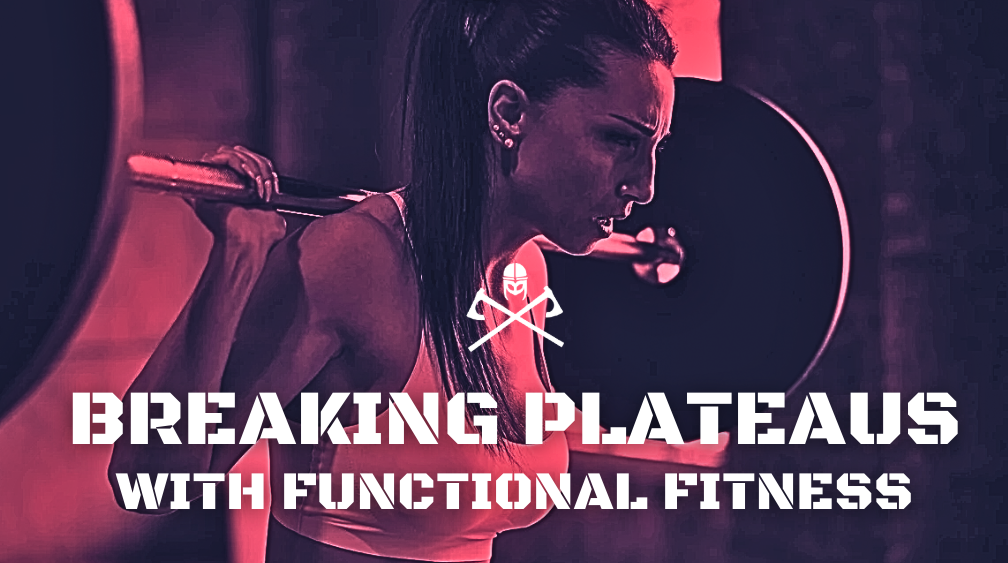
Customizing your functional training routine is key to achieving your fitness goals. Everyone has different needs and starting points, so personalizing your routine can make a huge difference. Tailoring the intensity, volume, and technique of your workouts helps maximize progress and keep injuries at bay.
It’s vital to listen to your body. Gradual progression is essential. Start with exercises that match your current fitness level. As you become stronger, adjust the workout to keep challenging your muscles. This approach ensures sustainable growth without overloading your body.
Professional guidance can make all the difference. Our experienced coaches help create effective and safe workout plans. They consider your individual goals and limitations, adjusting exercises to suit your needs. This personalized attention ensures you’re moving in the right direction. If you find yourself hitting a plateau, consider exploring strategies for breaking through workout plateaus to keep your progress on track.
Regular adjustments based on your body’s feedback are crucial. Pay attention to how you feel during and after workouts. Are certain movements causing discomfort? Is there room to increase the intensity? Make changes as needed to keep progressing and avoid plateaus.
Here’s a simple guide to customizing your routine:
- Assess Your Needs: Identify your fitness level and goals.
- Adjust Intensity: Start at a comfortable level and gradually increase.
- Modify Volume: Balance workout duration and frequency for optimal results.
- Seek Professional Help: Work with coaches for tailored guidance.
- Listen to Your Body: Make changes based on feedback to ensure ongoing progress.
Customizing your training routine enables you to work smarter, not harder, towards your fitness milestones. It’s about making each workout count and enjoying the journey toward better health.
Measuring Success in Functional Training
Success in functional training involves more than just numbers on a scale. It’s about setting realistic goals and tracking progress over time. Knowing where you started and seeing how far you’ve come keeps you motivated and committed to your journey.
At Warrior Fitness, we use several methods to measure success. Body composition scans are a great way to see changes in muscle and fat percentages. These scans provide detailed insights into your progress, giving you a clear picture of your fitness journey.
Performance assessments are another way to track success. They help you evaluate improvements in strength, flexibility, and balance. By regularly checking your performance, you can adjust your training routine to ensure continued growth. To further enhance your understanding of the importance of tracking workouts, explore how tracking workouts can revolutionize your fitness journey.
Self-reported improvements in daily activities are also crucial. Notice how everyday tasks become easier, like carrying groceries or climbing stairs without effort. These changes reflect the real-life benefits of functional training.
It’s important to celebrate milestones and recognize personal achievements. Here are some ways to do this:
- Set Milestones: Break down your goals into smaller, achievable steps.
- Track Progress: Use tools like journals or apps to record improvements.
- Celebrate Wins: Acknowledge each achievement, no matter how small.
- Reflect on Growth: Regularly look back on how far you’ve come.
Recognizing your achievements boosts motivation and keeps you focused on your fitness journey. Functional training is about continuous improvement and enjoying the process of becoming a stronger, healthier version of yourself.
Overcoming Challenges in Functional Training
Functional training can be incredibly rewarding, but it comes with its share of challenges. Staying motivated, dealing with plateaus, and avoiding injuries are common hurdles. Let’s talk about how to tackle these effectively.
Motivation can dip, especially when routines become monotonous. Keep things fresh by varying your workouts. Try new exercises and switch up your routine regularly. Engaging with friends or coaches can provide a boost. Our community-focused gym environment is great for finding support and staying motivated. For additional guidance, consider setting a clear intention before each workout to enhance your fitness outcomes, as discussed in our article on focusing on intention in workouts.
Plateaus happen when progress stalls. Overcome these by adjusting workout intensity or incorporating new exercises. Variety keeps your body guessing and promotes continual improvement. Personal coaching at our gym can help tailor your routine to push past these sticking points. To further understand how to set effective fitness goals and strategies for overcoming challenges, explore our webinar on setting and achieving fitness goals.
Preventing injuries is crucial for consistent progress. Listening to your body is key. If something feels off, it’s okay to rest or modify the exercise. Prioritize safety by maintaining proper form and technique. Our coaches are always on hand to ensure you’re exercising safely and effectively.
Here’s a quick recap:
- Stay Motivated: Vary your routine and seek support from friends and coaches.
- Overcome Plateaus: Adjust intensity and try new exercises.
- Prevent Injuries: Listen to your body and prioritize safety.
These strategies help you navigate the challenges of functional training, keeping you on track for success.
Safety Tips for Functional Training
Functional training is a fantastic way to boost your fitness, but it’s important to keep safety in mind. Proper warm-up and cool-down routines are essential. Warming up prepares your muscles and joints for exercise, reducing the risk of injury. Cooling down helps your body transition back to rest, aiding recovery. For more detailed strategies on managing workout soreness and enhancing recovery, consider reading our article on effective tips for faster recovery.
Using the correct form and technique during exercises is crucial. This not only prevents injuries but also ensures you’re getting the most out of your workout. Our certified coaches are here to provide guidance and ensure you’re performing exercises safely and effectively.
Recognizing signs of overtraining is key. Pushing your body too hard without adequate rest can lead to burnout or injury. Listen to your body. If you feel excessive fatigue or persistent soreness, it might be time to take a break.
Rest and recovery are just as important as the workouts themselves. Your muscles need time to repair and grow stronger. Ensuring you get enough rest and sleep is vital for optimal performance and injury prevention.
Here are some quick safety tips for functional training:
- Warm-Up: Start with dynamic stretches to prepare your body.
- Form and Technique: Focus on correct posture and movements.
- Certified Guidance: Seek help from coaches for safe workouts.
- Recognize Overtraining: Be aware of fatigue and soreness.
- Prioritize Rest: Allow time for muscle recovery and growth.
Keeping these tips in mind will help you enjoy the benefits of functional training while minimizing risks.
Integrating Functional Training Into Your Routine
Functional training can be an excellent addition to your fitness routine. Start by incorporating a few functional exercises into your weekly workout schedule. Gradually increase their frequency and intensity as you become more comfortable. This approach allows you to ease into functional training without overwhelming your body.
Combining functional training with cardiovascular and flexibility exercises creates a well-rounded fitness plan. Cardio workouts boost your heart health and endurance, while flexibility exercises improve your range of motion. These elements contribute to overall physical health and performance. For those looking to enhance their cardiovascular fitness, explore strategies to maximize your cardio workouts for improved endurance and health.
Experiment with different functional exercises to find what suits your goals and lifestyle. Consider trying squats, lunges, or planks to target multiple muscle groups. You can also incorporate resistance bands or kettlebells for added variety and challenge. For a comprehensive guide on effectively integrating planks into your fitness routine, learn more about mastering the plank exercise and its benefits for core strength.
Here’s a simple guide to get started:
- Start Small: Introduce one or two functional exercises into your routine.
- Gradual Progression: Increase frequency and intensity over time.
- Combine Approaches: Mix with cardio and flexibility workouts.
- Experiment: Try different exercises to find what you enjoy.
- Use Equipment: Incorporate tools like resistance bands or kettlebells.
Functional training enhances your routine by improving strength, balance, and coordination. By integrating it into your workouts, you’ll experience the benefits in both daily activities and overall fitness.
Long-Term Benefits of Functional Training
Functional training offers lasting benefits for both physical and cognitive health. By incorporating functional exercises into your routine, you can enjoy improved strength, balance, and brain function over the long haul. Consistency is key, as regular training helps maintain these benefits, contributing to a healthier and more active lifestyle. For more on how consistency can transform your fitness journey, explore our article on essential tips for a healthy lifestyle.
Imagine fewer visits to the doctor and more independence in your daily activities. Functional training can reduce healthcare costs by preventing age-related decline and chronic conditions. The exercises focus on real-life movements, which helps maintain your ability to perform daily tasks efficiently and safely.
Functional training also keeps your mind sharp. Regular exercise boosts blood flow to the brain, supporting cognitive functions like memory and processing speed. This mental sharpness is crucial for maintaining independence and a high quality of life as you age.
Here’s what you can expect from long-term functional training:
- Sustained Strength: Keeps muscles strong for everyday tasks.
- Enhanced Balance: Reduces fall risk and improves stability.
- Improved Cognitive Health: Supports memory and mental acuity.
- Reduced Healthcare Costs: Prevents chronic conditions, saving on medical expenses.
- Better Quality of Life: Encourages independence and active living.
Making functional training a lifelong commitment means investing in your personal health and well-being. Warrior Fitness is here to support you in this journey, providing the resources and community you need to thrive. Discover more about how exercise can be a powerful tool against chronic diseases by reading our insights on taking charge of your health.