In the journey towards achieving our fitness goals, we often encounter obstacles that can hinder our progress. One such obstacle is the workout plateau, where our bodies adapt to the exercises we perform, leading to a stagnation in our fitness levels. Overcoming a workout plateau requires motivation, determination, and a strategic approach to challenge ourselves and reach new heights in our fitness journey. In this article, we will explore a few strategies that can help you overcome workout plateaus and propel yourself towards new fitness levels.
Understanding Workout Plateaus
What are Workout Plateaus?
Workout plateaus occur when our bodies adapt to the stress and intensity of our regular exercise routine, leading to a decreased rate of progress. This can be frustrating and demotivating for individuals who are striving to improve their fitness levels. Plateaus can manifest in various forms, such as a lack of strength gains, endurance plateaus, or a halt in fat loss despite consistent efforts.
Factors Contributing to Plateaus
Several factors can contribute to workout plateaus. One of the main culprits is the lack of variety in your workout routine. Performing the same exercises repeatedly without any progression or variation can lead to diminishing returns. Additionally, inadequate recovery, improper nutrition, and insufficient sleep can also hinder your progress.
Strategies to Overcome Workout Plateaus
1. Progressive Overload
Progressive overload is the foundation for overcoming workout plateaus and making consistent progress. It involves gradually increasing the demands placed on your muscles and cardiovascular system over time. By challenging your body with heavier weights, increased repetitions, or longer durations, you can continue to stimulate muscle growth and improve your fitness levels.
2. Variation and Periodization
To keep your body guessing and prevent adaptation, incorporating variation and periodization into your workout routine is essential. Variation involves changing the exercises, intensity, and order of your workouts. Periodization, on the other hand, involves dividing your training into distinct phases, such as strength, hypertrophy, and endurance, to target different aspects of fitness throughout the year.
3. Set Clear Goals
Setting clear and specific goals is crucial for maintaining motivation and tracking progress. Instead of focusing solely on the number on the scale, consider setting performance-based goals such as increasing your strength, improving your running time, or mastering a new exercise technique. These goals provide a sense of accomplishment and can help you stay motivated during challenging times.
4. Incorporate High-Intensity Interval Training (HIIT)
High-Intensity Interval Training (HIIT) is a powerful tool for overcoming plateaus and improving cardiovascular fitness. HIIT involves alternating between short bursts of intense exercise and periods of active recovery. This form of training not only challenges your body in new ways but also increases calorie burn and boosts metabolism.
5. Prioritize Recovery
Proper recovery is often overlooked but is essential for progress. Incorporate rest days into your routine to allow your body to repair and rebuild. Additionally, prioritize sleep, as it plays a crucial role in muscle recovery and overall performance. Adequate nutrition, hydration, and stress management are also key components of effective recovery.
6. Seek Professional Guidance
If you find yourself struggling to overcome a workout plateau, consider seeking guidance from a qualified fitness professional. They can assess your current routine, provide personalized recommendations, and introduce new exercises or techniques to break through the stagnation.
When it comes to pursuing our fitness goals, one size does not fit all. Each individual possesses unique strengths, weaknesses, and capabilities that shape their fitness journey. Acknowledging and embracing this individuality is crucial for success. This article delves into the significance of modifying workouts to cater to an individual’s skills and fitness level. By understanding the importance of customization, we can optimize our fitness routines, prevent injuries, and achieve remarkable results.
The Essence of Modification
Understanding the Power of Customization
In the world of fitness, modification refers to tailoring workouts to suit an individual’s specific needs, abilities, and limitations. It involves making adjustments to exercise intensity, volume, duration, and technique, allowing individuals to challenge themselves while ensuring safety and progress. By modifying workouts, we create a foundation that aligns with our unique attributes, ultimately propelling us towards our fitness objectives.
Achieving Optimal Results through Personalization
Customizing workouts to match individual fitness levels is essential for maximizing progress. Every person enters their fitness journey at a different starting point. Some may be seasoned athletes, while others might be beginners. By adapting workouts, we can gradually increase intensity, challenge our bodies appropriately, and witness consistent growth. Additionally, customization helps prevent plateaus and keeps motivation high, as individuals experience tangible improvements in their performance.
Preventing Injuries: The Role of Modification
Listening to Your Body’s Signals
Injuries can significantly hinder our fitness journey, leading to setbacks and demotivation. Fortunately, by adopting a modified approach, we can proactively reduce the risk of injuries. Listening to our body’s signals and responding appropriately is vital in this process. Modification enables us to identify and address potential limitations, weaknesses, or imbalances that could potentially lead to injuries if not addressed promptly.
Reducing the Risk of Overtraining
Overtraining is a common concern for fitness enthusiasts. Pushing ourselves too hard without allowing adequate recovery time can lead to physical and mental exhaustion, weakened immune systems, and even chronic injuries. By incorporating modifications, we can prevent overtraining by adjusting exercise intensity, frequency, and duration according to our body’s response. This balanced approach optimizes performance and safeguards our well-being.
The Art of Effective Workout Modifications
Consulting Professionals: The First Step
Seeking guidance from fitness professionals, such as personal trainers, strength and conditioning coaches, or physical therapists, is a crucial step in implementing effective workout modifications. These experts possess the knowledge and experience to assess an individual’s fitness level, identify areas for improvement, and design personalized routines. Their expertise ensures that modifications align with an individual’s goals and capabilities while minimizing the risk of injury.
Gradual Progression: The Key to Sustainable Growth
Modification is not about taking shortcuts or avoiding challenges; rather, it’s about strategically planning for success. Gradual progression plays a vital role in sustainable growth. By gradually increasing exercise intensity, modifying repetitions or sets, and incorporating new exercises, we can steadily advance without overwhelming our bodies. This approach fosters resilience, builds strength, and minimizes the risk of setbacks.
Listening to Feedback: The Ongoing Journey
Modification is not a one-time fix; it’s an ongoing process of learning and adaptation. Regularly assessing and reevaluating our workouts based on feedback from our bodies is crucial. By actively listening to how our bodies respond to different exercises and adjusting accordingly, we can fine-tune our workouts for optimal results. Paying attention to discomfort, pain, or fatigue can help us identify areas that may require further modification. Remember, our bodies are constantly evolving, and it’s essential to adapt our fitness routines to ensure continued progress.
Customization Techniques for Different Fitness Components
Modification techniques can vary based on the specific fitness components we aim to target. Let’s explore some key areas where customization plays a vital role:
1. Strength Training
In strength training, modifying workouts involves adjusting the weight, repetitions, sets, and rest periods to suit individual capabilities. Beginners may start with lighter weights and fewer sets, gradually progressing to heavier loads and higher volumes as their strength improves. Advanced lifters can focus on more complex exercises or incorporate techniques like supersets or drop sets to challenge their muscles further.
2. Cardiovascular Training
For cardiovascular workouts, modification can involve manipulating exercise intensity, duration, and variety. Beginners may start with low-impact activities like brisk walking or cycling, gradually increasing the intensity as their cardiovascular fitness improves. Interval training, where alternating periods of high and low intensity are incorporated, can be an effective way to enhance endurance and burn calories.
3. Flexibility and Mobility
Flexibility and mobility exercises aim to improve joint range of motion and prevent injuries. Modifications in this area may include adjusting the range of motion, using props or support, or incorporating variations to target specific muscle groups. Yoga, Pilates, or stretching routines can be customized based on an individual’s flexibility level and specific goals.
4. Group Fitness Classes
Group fitness classes, such as Zumba, spin classes, or boot camps, offer a fun and engaging workout environment. However, it’s important to modify these classes to match individual fitness levels. Instructors can provide alternative movements or options for different intensity levels, allowing participants to participate comfortably while still challenging themselves.
The Importance of Proper Form and Technique
In addition to modifying workouts, focusing on proper form and technique is paramount. Executing exercises with correct alignment and technique not only enhances their effectiveness but also reduces the risk of injuries. It’s essential to prioritize learning the correct form from qualified professionals and practicing it consistently.
Tracking Progress: A Motivational Tool
Tracking progress is a valuable tool in any fitness journey. It allows us to see tangible improvements and motivates us to keep pushing forward. By recording workout details, such as weights lifted, distances covered, or times achieved, we can monitor progress over time. This data assists in making informed modifications, identifying areas of strength and weakness, and celebrating milestones along the way.
The Power of Individualized Workouts
Customizing workouts based on individual skills and fitness levels is a game-changer. It empowers us to take control of our fitness journeys and make meaningful progress. By modifying workouts, we unlock our true potential, prevent injuries, and create sustainable habits that support long-term success.
Embrace the Journey, Modify for Success
In conclusion, scaling and modifying workouts to suit individual skills and fitness levels is an integral aspect of achieving optimal results. By recognizing the power of customization, we can prevent injuries, optimize performance, and propel ourselves towards our fitness goals. Whether you’re a beginner or an experienced athlete, embracing modifications and seeking professional guidance will enable you to embark on a personalized fitness journey that sets you up for success.
Remember, fitness is a journey, and modification is an essential tool on this path. Embrace your uniqueness, listen to your body, and make adjustments that support your individual needs.
As we step into a new year, many of us set goals and resolutions for self-improvement. We focus on our weaknesses, flaws, and the things we want to change about ourselves. While self-improvement is undoubtedly a good thing, we often forget about the importance of self-compassion in this process.
Self-compassion is about treating ourselves with the same kindness, concern, and support that we would offer to a good friend. It involves recognizing our own suffering, acknowledging our imperfections, and embracing ourselves with unconditional love and understanding. Unfortunately, many of us struggle with self-compassion, as we are often our own harshest critics.
If you want to make lasting changes and achieve your goals, you need to start with self-compassion. Here are some tips on how to be kinder to yourself this year:
Practice Mindfulness
Mindfulness is about being present and aware of your thoughts, feelings, and sensations without judgment. It can help you develop self-awareness, emotional regulation, and self-compassion. Mindfulness practices can include meditation, deep breathing, yoga, or simply taking a few moments each day to be still and present.
Reframe Negative Self-Talk
Negative self-talk can be a significant barrier to self-compassion. When you catch yourself engaging in negative self-talk, try to reframe your thoughts with a more compassionate perspective. Instead of beating yourself up for your mistakes, try to see them as opportunities for growth and learning.
Treat Yourself with Kindness
When you treat yourself with kindness and compassion, you cultivate a positive relationship with yourself. You can show yourself kindness by doing things you enjoy, taking care of your physical health, setting realistic expectations, and forgiving yourself for mistakes.
Connect with Others
Human beings are social creatures, and we thrive on connection and community. Connecting with others can help you feel supported, loved, and accepted. Reach out to friends, family, or a therapist for support and guidance on your journey toward self-compassion.
Celebrate Your Accomplishments
When you achieve your goals or make progress toward self-improvement, take time to celebrate your accomplishments. Acknowledge your hard work and effort, and give yourself credit for your achievements. Celebrating your successes can help you build confidence, self-esteem, and self-compassion.
Self-compassion is essential for self-improvement, growth, and happiness. By practicing self-compassion, you can become more resilient, motivated, and confident in achieving your goals. So, start the year off with some self-compassion, and be kinder to yourself.
Are you tired of hitting the snooze button every morning? Do you struggle to get out of bed and start your day on time? You’re not alone. Many people find it difficult to wake up early and feel energized, especially if they are not getting enough sleep or have an inconsistent sleep schedule.
In this article, we will provide you with some tips on how to end the snooze cycle and start your day on time. By following these simple steps, you can improve your sleep quality, boost your energy levels, and become more productive.
Establish a Consistent Sleep Schedule The first step in ending the snooze cycle is to establish a consistent sleep schedule. Aim to go to bed and wake up at the same time every day, even on weekends. This will help regulate your body’s internal clock and make it easier to fall asleep and wake up naturally.
Create a Relaxing Bedtime Routine Creating a relaxing bedtime routine can help you wind down and prepare for sleep. Some activities you can try include taking a warm bath, reading a book, practicing yoga or meditation, or listening to calming music.
Avoid Electronic Devices Before Bed Electronic devices emit blue light, which can interfere with your body’s natural sleep-wake cycle. Avoid using electronic devices such as smartphones, tablets, or laptops for at least an hour before bed. If you must use them, consider using blue light filters or wearing blue light blocking glasses.
Limit Caffeine and Alcohol Intake Caffeine and alcohol can disrupt your sleep quality and make it harder to fall asleep and stay asleep. Limit your intake of these substances, especially before bed. Instead, try drinking herbal tea or warm milk to promote relaxation.
Keep Your Bedroom Cool, Dark, and Quiet Creating a sleep-conducive environment can help you fall asleep faster and sleep more soundly. Keep your bedroom cool, dark, and quiet. Consider using blackout curtains or an eye mask to block out light, and earplugs or a white noise machine to block out noise.
Use an Alarm Clock That Works for You Choose an alarm clock that suits your needs and preferences. Some people prefer traditional alarm clocks, while others prefer using their smartphones or smartwatches. Consider using an alarm clock that gradually increases in volume or uses light to wake you up naturally.
Get Out of Bed Immediately When your alarm goes off, get out of bed immediately. Resist the urge to hit the snooze button or lie in bed for a few more minutes. This will help you wake up faster and start your day on time.
Have a Morning Routine Having a morning routine can help you feel more organized and prepared for the day ahead. Some activities you can try include stretching, journaling, having a healthy breakfast, or doing some light exercise.
Be Patient and Persistent Ending the snooze cycle takes time and patience. It may take a few weeks or even months to establish a consistent sleep schedule and morning routine. Be persistent, and don’t give up if you slip up once in a while.
Ending the snooze cycle is possible with some simple lifestyle changes and habits. By establishing a consistent sleep schedule, creating a relaxing bedtime routine, avoiding electronic devices before bed, limiting caffeine and alcohol intake, keeping your bedroom cool, dark, and quiet, using an alarm clock that works for you, getting out of bed immediately, having a morning routine, and being patient and persistent, you can start your day on time and feel more energized and productive.
Collagen is an essential protein that provides structure to our skin, joints, and other connective tissues. As we age, our bodies gradually produce less collagen, resulting in visible signs of aging such as wrinkles, sagging skin, and joint pain. Collagen supplements are becoming increasingly popular as a way to replenish the body’s collagen stores and promote overall health and wellness.
There are five different types of collagen, each with its unique benefits. Type I collagen is the most abundant and is found in our skin, bones, and tendons. It plays a vital role in skin elasticity and hydration, making it a popular ingredient in many anti-aging skincare products. Type II collagen is primarily found in cartilage and can help support joint health and mobility. Type III collagen is found in our skin, organs, and blood vessels and can help support wound healing and tissue repair. Type IV collagen is found in the basement membrane of our skin and organs and can help support the structural integrity of these tissues. Finally, Type V collagen is found in our hair and cell surfaces and can help support the formation of hair and nails.
By supplementing with collagen, you can help support the body’s natural collagen production and address the visible signs of aging, such as wrinkles and joint pain. Collagen supplements are available in various forms, including powders, capsules, and gummies, making it easy to incorporate into your daily routine. When choosing a collagen supplement, it’s important to consider factors such as the type of collagen, the source of the collagen, and any additional ingredients in the supplement. Overall, incorporating collagen supplements into your diet can be a beneficial way to support your overall health and well-being.
Benefits of Collagen Supplements
Improved Skin Health: Collagen supplements are rich in amino acids that are essential for skin health, such as glycine and proline. These amino acids play a critical role in skin hydration, elasticity, and firmness. Collagen supplements can help stimulate the body’s natural collagen production, leading to improved skin health and a more youthful complexion. Research has shown that collagen supplements can reduce the appearance of wrinkles and fine lines, improve skin elasticity, and promote a more even skin tone.
Joint Pain Relief: Collagen is a vital component of our joints, providing the structural support needed for mobility and flexibility. As we age, our bodies produce less collagen, leading to joint pain, stiffness, and inflammation. Collagen supplements have been shown to reduce joint pain and stiffness, especially in people with osteoarthritis. They can also help support joint flexibility and mobility by promoting the growth of new cartilage and reducing inflammation in the joints.
Better Digestive Health: Collagen is a crucial component of the gut lining, helping to maintain its structural integrity and prevent inflammation. Supplementing with collagen can help support the gut lining, reducing inflammation and promoting better digestion. Collagen supplements can also help improve symptoms such as bloating, constipation, and diarrhea by promoting the growth of beneficial gut bacteria.
Improved Hair and Nail Health: Collagen is a critical component of our hair and nails, providing the structural support needed for strength and growth. Supplementing with collagen can lead to stronger, healthier hair and nails, reducing brittleness and breakage. Research has shown that collagen supplements can improve hair thickness, promote hair growth, and strengthen nails.
How to Incorporate Collagen into Your Diet
Natural Sources of Collagen:
Incorporating natural sources of collagen into your diet can be an effective way to boost your collagen intake. Bone broth, made by simmering bones and connective tissue for an extended period, is an excellent source of collagen. Chicken skin, fish skin, and pork skin are also rich sources of collagen. These foods are not only high in collagen but also contain other beneficial nutrients, such as amino acids, vitamins, and minerals.
Bone broth for Collagen intake
Bone broth is a rich source of collagen, which is a protein that provides structural support to the body’s connective tissues, including the skin, joints, and bones. Here’s how you can get collagen from bone broth:
Choose high-quality bones: To make bone broth with a high collagen content, choose bones that are rich in collagen, such as chicken feet, chicken wings, beef knuckles, or oxtail.
Simmer the bones: Place the bones in a pot or slow cooker and cover with water. Add any desired vegetables, herbs, and spices for flavor. Simmer the bones for several hours, up to 24 hours, to allow the collagen to break down and release into the broth.
Strain the broth: Once the broth has simmered for the desired amount of time, strain it through a fine-mesh strainer or cheesecloth to remove any bone fragments or impurities.
Store the broth: The broth can be stored in the refrigerator for up to a week or frozen for later use. When reheating the broth, be sure to heat it gently to preserve the collagen content.
You can also purchase pre-made Bone Broth. I really like Kettle & Fire the best.
By incorporating bone broth into your diet, you can increase your intake of collagen and support your skin, joint, and bone health. Bone broth can be consumed on its own or used as a base for soups, stews, and other recipes. It’s a delicious and nutritious way to support your overall health and wellness.
Collagen Supplements and Dosage:
Collagen supplements are available in various forms, including powders, capsules, and gummies. When choosing a collagen supplement, it’s essential to consider factors such as the type of collagen, the source of the collagen, and any additional ingredients in the supplement. It’s recommended to choose a supplement that contains Type I collagen, as it is the most abundant type of collagen found in the body. Look for supplements that are sourced from high-quality, grass-fed, and pasture-raised animals to ensure purity and quality.
The recommended dosage for collagen supplements varies depending on the form of the supplement and the individual’s needs. Generally, a dose of 2.5-15 grams per day is recommended for optimal benefits. It’s essential to follow the recommended dosage instructions provided on the supplement label and consult with a healthcare professional before starting any new supplements.
Incorporating collagen supplements into your daily routine is easy and convenient. Collagen powder can be mixed into your morning coffee or smoothie, while capsules and gummies can be taken with water. It’s essential to be consistent with your collagen supplement routine to see the best results.
Choosing the Right Collagen Supplement
When choosing a collagen supplement, there are several factors to consider to ensure that you are getting a high-quality and effective product. First, consider the type of collagen in the supplement. Type I collagen is the most abundant in the body and is the most effective at promoting skin, joint, and bone health. Next, consider the source of the collagen. Look for supplements that are sourced from grass-fed and pasture-raised animals to ensure purity and quality. Finally, consider any additional ingredients in the supplement, such as flavors, sweeteners, or preservatives. Choose supplements with minimal added ingredients to avoid any potential negative side effects.
Top Collagen Supplements on the Market:
There are numerous collagen supplements available on the market, and it can be challenging to choose the best one for your needs. Here are three top collagen supplements on the market:
Vital Proteins Collagen Peptides:This popular collagen supplement is sourced from grass-fed, pasture-raised cows and contains Type I and Type III collagen. It is available in a powder form that can be easily mixed into beverages or recipes. Vital Proteins Collagen Peptides is known for its high quality and effectiveness in promoting skin, joint, and bone health.
Sports Research Collagen Peptides: This collagen supplement is also sourced from grass-fed, pasture-raised cows and contains Type I and Type III collagen. It is available in a powder form that is easy to mix into beverages or recipes. Sports Research Collagen Peptides is known for its purity and effectiveness in supporting joint health and reducing inflammation.
NeoCell Super Collagen:This collagen supplement is sourced from grass-fed, pasture-raised cows and contains Type I and Type III collagen. It is available in a powder form and also includes vitamin C, which can help support collagen synthesis in the body. NeoCell Super Collagen is known for its effectiveness in promoting healthy skin, hair, and nails.
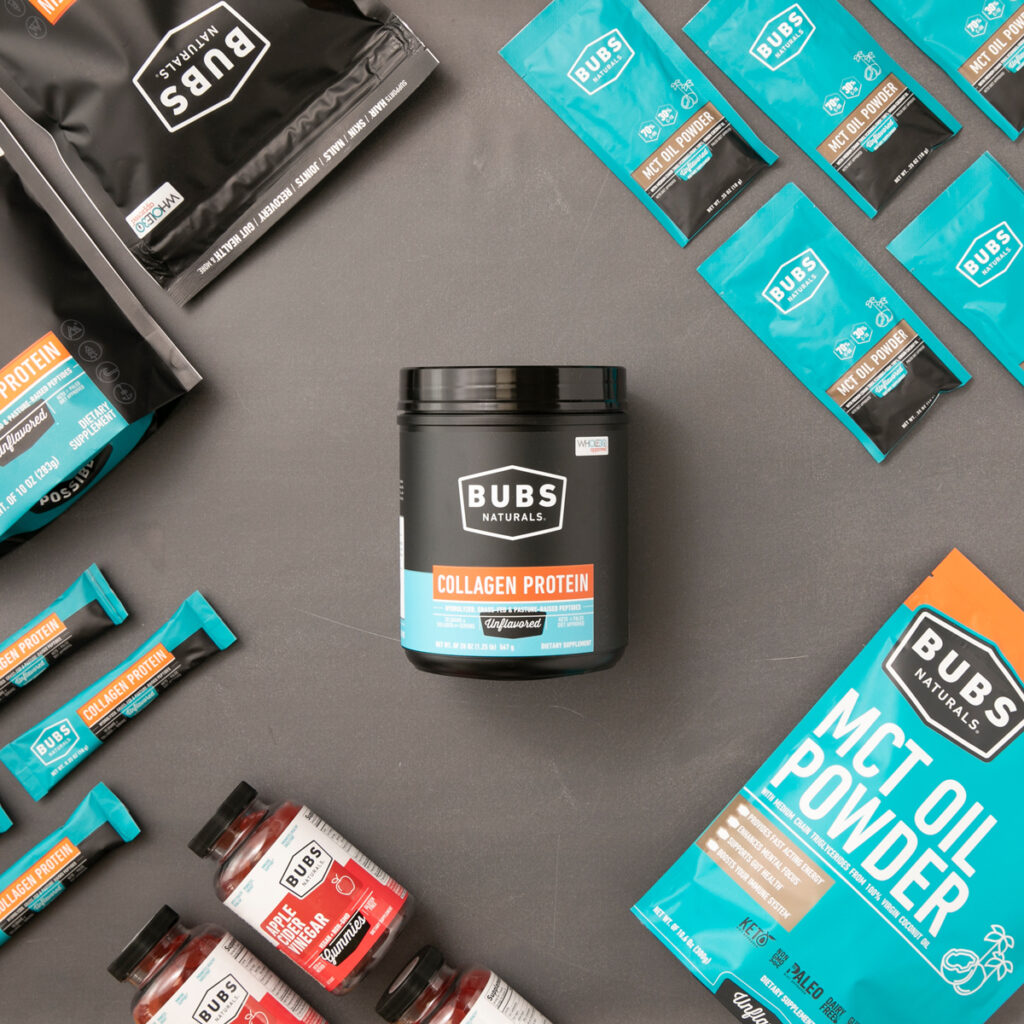
One of the key features of BUBS collagen protein is its amino acid profile, which contains over 17 health-restoring amino acids. These include 7 essential amino acids, such as lysine and valine, that the body needs to function properly. By incorporating BUBS collagen protein into your diet, you can ensure that you are getting the essential nutrients your body needs to thrive.
Collagen supplements can be an effective way to support overall health and wellness. Collagen is an essential protein that makes up a significant portion of our skin, joints, and other connective tissues. As we age, our bodies naturally produce less collagen, leading to visible signs of aging such as wrinkles and joint pain. Supplementing with collagen can help support the body’s natural collagen production and promote healthier skin, joints, digestion, hair, and nails.
When incorporating collagen into your diet, there are several natural sources of collagen to consider, including bone broth, chicken skin, fish skin, and pork skin. Collagen supplements are available in various forms, such as powders, capsules, and gummies, making it easy to incorporate into your daily routine. When choosing a supplement, consider factors such as the type and source of collagen, and follow the recommended dosage instructions for optimal benefits.
When choosing a collagen supplement, it’s essential to consider factors such as the type and source of collagen and any additional ingredients. Look for high-quality, reputable brands such as Vital Proteins, Sports Research, and NeoCell for the best results.
If you’re looking for a way to challenge yourself physically and mentally while honoring fallen servicemen and women, consider joining our gym for the Memorial Day Murph workout OR for the Ruck. Regardless of your choice you’ll push yourself to your limits just as our servicemen and women do every day.
Plus, you’ll have the opportunity to build camaraderie and community with others in our gym who share a passion for fitness and honoring the fallen. And, by participating in the Ruck/Murph, you’ll help raise awareness and funds for organizations that support veterans and their families. Don’t miss out on this chance to challenge yourself and make a difference. Join us for the Memorial Day Ruck + Murph this year.
We are partnering with Project Ruck again for 2023 for both the Ruck and the Murph workout.
All details will be emailed to registered participants.
Immediately following the ruck march, Warrior Fitness will host a “MURPH” (at Approx 9:30 am) in honor of those who made the ultimate sacrifice for this great nation. The workout consists of a 1-mile run, followed by 100 pull-ups, 200 push-ups, 300 air squats, and ends with another 1-mile run. **The Murph is also a free event open to the public.